中級閱讀 · Book 4

Intermediate Reading — 第四冊

每課:看圖 → 讀文章(真人朗讀)→ 閱讀理解 → 生字片語 → 小測驗。

1

Unit 1: Reading the Newspaper

⬇ PDF
Reading the Newspaper

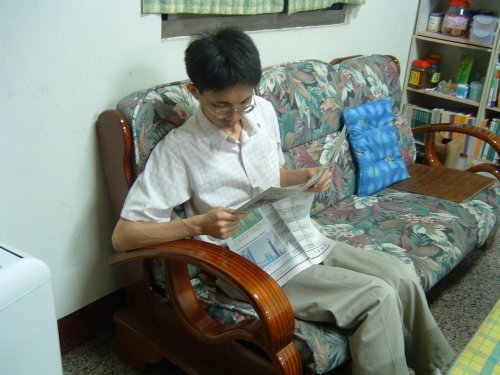
Every afternoon when Luke has finished his lunch, he likes to vegetate on the couch. He uses this time not only for digesting his food, but also for catching up on current events in the local newspaper.

每天下午,路克吃完午餐後,總喜歡懶洋洋地窩在沙發上。他利用這段時間,不只是為了消化食物,也順便從當地報紙上得知最新的時事消息。

The major headlines are on the front page. These are the top stories of the day and the ones the editors feel will sell the most papers for them. Once Luke has read about the day’s big news, he then flips to the entertainment section. Here he can read about the latest celebrity gossip. He can also see movie reviews and find out what bands are touring the country or what theatrical plays are happening at the theatre.

重要頭條都刊在頭版。這些是當天最重要的新聞,也是編輯們認為最能為報社帶來銷量的內容。等路克讀完當天的大新聞後,他就會翻到娛樂版。在這裡,他可以讀到最新的名人八卦,也可以看到影評,並且得知有哪些樂團正在全國巡迴演出,或是劇院正在上演什麼舞台劇。

Sooner or later he will turn to the financial news. He normally doesn’t do this until after his lunch has had time to settle and for good reason because it is at this point that Luke can see how much money he has lost on the stock market. The financial section also gives daily reports on currency, precious metals like silver and gold, and commodities like rice and soybeans.

遲早,他會翻到財經新聞。他通常要等到午餐消化沉澱之後才會這麼做,而這是有原因的,因為就在這個時候,路克才能看清楚自己在股市裡虧了多少錢。財經版也會每天報導幣值、像銀和金這樣的貴重金屬,以及像稻米和大豆這類的商品行情。

Finally, after the crushing financial news, Luke likes to read the funnies (comic strips). It helps him to forget about losing his child’s college fund on the stocks. He also likes to play Sudoku, the crossword puzzle and read his horoscope.

最後,在讀完令人心碎的財經新聞之後,路克喜歡看連載漫畫(趣味漫畫)。這能幫助他暫時忘記自己在股市裡虧掉了孩子的大學教育基金。他也喜歡玩數獨、填縱橫字謎,並看看自己的星座運勢。

After all this, the afternoon is gone and it is time to eat again. Now that he is up on the current events, he has something to talk to his wife about over dinner. Hopefully it is enough to keep her from reading the financial news for herself; otherwise, Luke may be sleeping in the doghouse tonight!

經過這一切之後,整個下午也過去了,該是再吃一頓飯的時候了。既然他已經掌握了時事,晚餐時就有話題可以跟太太聊了。希望這些話題足以讓她不會自己去讀財經新聞,否則,路克今晚恐怕得睡狗屋了!
課文朗讀(真人)

閱讀理解 Questions

Why does he read the newspaper every day?

He reads it to catch up on current events.

What kind of information can you find in the entertainment section?

You can find info about celebrity gossip, movies, music and anything related to the entertainment industry.

What does Luke like to read last?

He likes to read the funnies last.

生字及片語 Words & Phrases

vegetate(v.)茫茫然地過日子After retiring, he did not want to just vegetate in front of the television all day.退休後,他不想整天只在電視機前茫茫然地過日子。digest(v.)消化It takes a few hours for the stomach to fully digest a big meal.胃要花好幾個小時才能完全消化一頓大餐。catch up on(ph.)得到...最新消息She called her old friend to catch up on all the news from home.她打電話給老朋友,得到家鄉的所有最新消息。current event(ph.)時事Our teacher asks us to discuss a current event every Monday morning.我們老師要求我們每週一早上討論一則時事。headline(n.)頭條新聞The election results made the headline of every newspaper in the country.選舉結果成為全國每一家報紙的頭條新聞。editor(n.)編輯The editor decided which stories would appear on the front page.編輯決定了哪些新聞會登在頭版。flip(v.)翻;轉He likes to flip through the sports section before reading anything else.他喜歡在讀其他版面之前,先翻閱體育版。entertainment(n.)娛樂The city offers plenty of entertainment, from concerts to movie theaters.這座城市提供豐富的娛樂活動,從演唱會到電影院都有。section(n.)部分;版面She always reads the travel section of the Sunday paper first.她總是先讀星期天報紙的旅遊版。celebrity(n.)名人The magazine featured an interview with a famous celebrity.這本雜誌刊登了一位知名名人的專訪。gossip(n.)八卦He does not like to spread gossip about his coworkers.他不喜歡散播關於同事的八卦。movie review(ph.)影評The critic wrote a glowing movie review for the new action film.這位影評人為這部新動作片寫了一篇讚譽有加的影評。tour(v.)到…巡迴演出The band plans to tour ten cities across the country this summer.這個樂團計畫今年夏天到全國十座城市巡迴演出。theatrical(adj.)戲劇的The school put on a theatrical performance of a classic play.這所學校推出了一場經典劇作的戲劇演出。financial(adj.)財經的He reads the financial news every morning before going to work.他每天早上上班前都會讀財經新聞。normally(adv.)通常地She normally gets up at six o'clock to go jogging.她通常六點起床去慢跑。settle(v.)下沉;沉澱He waited for his lunch to settle before going for a swim.他等午餐消化沉澱後才去游泳。stock market(ph.)股市The stock market dropped sharply after the bad economic news.股市在這則不利的經濟消息後大幅下跌。currency(n.)幣值The value of the local currency has fallen against the dollar.當地幣值兌美元已經下跌。precious metal(ph.)貴重金屬Investors often buy gold because it is a precious metal that holds its value.投資人常常買黃金,因為它是一種能保值的貴重金屬。commodity(n.)商品Rice is an important commodity traded around the world.稻米是全世界交易的重要商品。soybean(n.)大豆Farmers in the region grow large fields of soybean every year.這個地區的農民每年都種植大片的大豆田。crushing(adj.)壓倒的The team suffered a crushing defeat in the championship game.這支隊伍在冠軍賽中遭受了壓倒性的失敗。comic strip(ph.)連載漫畫Every Sunday, he cuts out his favorite comic strip from the newspaper.每個星期天,他都會從報紙上剪下他最喜歡的連載漫畫。college fund(ph.)就讀大學的基金They started saving into a college fund for their daughter when she was born.他們從女兒出生起就開始存就讀大學的基金。sudoku(n.)數獨He solves a sudoku puzzle every night before going to bed.他每晚睡前都會解一個數獨謎題。crossword puzzle(ph.)縱橫字謎遊戲My grandmother enjoys doing the crossword puzzle with a cup of tea.我奶奶喜歡一邊喝茶一邊玩縱橫字謎遊戲。horoscope(n.)星象(算命)She checks her horoscope every morning to see what the day might bring.她每天早上都會看星座運勢,看看今天可能會發生什麼事。

完整教學音檔

📖 課文教學(中文講解)

小測驗 Quick Check

1. Why does Luke wait until after his lunch has settled to read the financial news?

2. What does Luke do right after reading the crushing financial news?

3. According to the passage, why does Luke hope talking about current events is enough for his wife at dinner?
2

Unit 2: Pre-season Training

⬇ PDF
Pre-season Training

It was a hot, muggy day in late summer. It was so hot that you could’ve cooked an egg on the sidewalk. The day was hardly ideal for being outside, but one young boy, Clarence, sat on the ground under the hot sun waiting for his friend.

那是夏末一個炎熱又悶濕的日子。天氣熱到你可以在人行道上煎蛋。這種天氣根本不適合待在戶外,但有個小男孩,克拉倫斯,卻坐在烈日下的地上,等著他的朋友。

Clarence had begun training for the upcoming basketball season over a week ago. Every day, he and his best friend, Norman, met in the schoolyard to exercise and get in shape, but today was just too hot. They would have to go inside to train.

克拉倫斯一個多星期前就已經開始為即將到來的籃球季展開訓練。每天,他和最要好的朋友諾曼都會在學校操場上碰面,一起運動、鍛鍊體格,但今天實在太熱了。他們只好改到室內訓練。

The school activity room seemed quite cool in comparison to the schoolyard. Although the room didn’t have air-conditioning, not having the sun beating down on them made all the difference in the world. The temperature was suitable enough that they could get on with training without having to worry about dropping over dead from heatstroke.

相較於操場,學校的活動室感覺涼快多了。雖然這間房間沒有冷氣,但只要不必頂著大太陽曝曬,感覺就完全不同了。室內的溫度剛好適合讓他們繼續訓練,不必擔心會因中暑而暴斃。

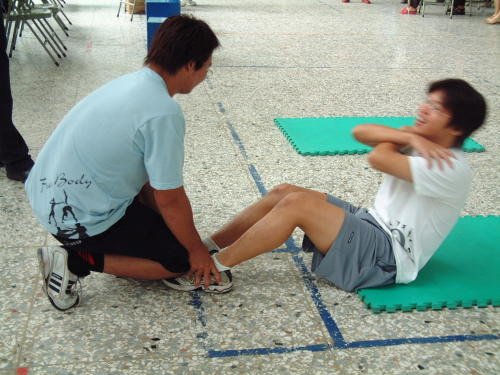
Their routine started off with some easy stretching to loosen up. Normally this would be followed by a few slow laps around the track to warm up and get the blood flowing, but they were inside and didn’t have much room, so jogging on the spot for a few minutes would have to do. When both of them were good and warmed up, they started doing some strength training. It usually consisted of a lot of push-ups, chin-ups, and Clarence’s least favorite exercise, sit-ups.

他們的訓練流程一開始是做一些簡單的伸展操,讓身體放鬆。平常這之後會繞著操場慢跑幾圈,讓身體暖起來、血液循環加快,但由於他們在室內,空間不大,所以只能原地慢跑幾分鐘代替。等兩人都熱身完畢後,便開始做肌力訓練,內容通常包括大量的伏地挺身、引體向上,以及克拉倫斯最討厭的運動——仰臥起坐。

Clarence had always hated doing sit-ups. There wasn’t any real reason for it, but maybe it was because his old gym teacher used to make him do sit-ups as punishment for being naughty in class. Now, every sit-up felt like punishment even though it wasn’t.

克拉倫斯一直都很討厭做仰臥起坐。其實沒有什麼特別的理由,但也許是因為他以前的體育老師常拿仰臥起坐來懲罰他在課堂上調皮搗蛋。如今,即使不是處罰,每做一下仰臥起坐都還是讓他覺得像在受罰。

Luckily for him, he had Norman there for motivation. Norman would sit on Clarence’s feet to hold them down and he would also constantly encourage him.

幸好,他有諾曼在一旁替他打氣。諾曼會坐在克拉倫斯的腳上幫他固定住,還會不斷地鼓勵他。

“One more, Clarence,” he would always say. Then after Clarence had done one he would say it again. It seemed strange, but it worked.

「再一下,克拉倫斯,」他總是這麼說。等克拉倫斯做完一下之後,他又會再說一次。這聽起來很奇怪,但確實有效。

The boys continued on with their workout until they were both exhausted. Then it was time to hit the showers to wash off the sweat and cool down. It had been a productive day even though they had to exercise indoors. With any luck, all his hard work will pay off and he will make the basketball team.

兩個男孩就這樣持續訓練,直到雙雙精疲力竭為止。接著就是沖澡的時間,把汗水沖掉、讓身體降溫。儘管他們得在室內運動,這仍是收穫豐富的一天。只要運氣夠好,他所有的努力終將有所回報,他也將順利加入籃球隊。
課文朗讀(真人)

閱讀理解 Questions

What was Clarence training for?

He was training for the upcoming basketball season.

What did they start the routine off with?

They started the routine off with some easy stretching to loosen up.

What does their strength training routine consist of?

It usually consisted of push-ups, chin-ups, and sit-ups.

生字及片語 Words & Phrases

muggy(adj.)悶熱的It was so muggy outside that my shirt stuck to my back.外面天氣悶熱得讓我的襯衫都黏在背上了。ideal(adj.)理想的A cool, cloudy morning is ideal for a long run.涼爽多雲的早晨是長跑的理想時機。get in shape(ph.)使體格健壯She started jogging every morning to get in shape before the competition.她開始每天早上慢跑,好在比賽前把體格練壯。in comparison to(ph.)與…比較The new gym is huge in comparison to the old one.與舊的健身房比較起來,新的健身房大多了。suitable(adj.)合適的These shoes are not suitable for running on wet ground.這雙鞋不適合在濕滑的地面上跑步。drop dead(ph.)暴斃He joked that the heat was so bad he might just drop dead.他開玩笑說天氣熱到他可能會直接暴斃。heatstroke(n.)中暑Drink plenty of water so you do not get heatstroke in this weather.在這種天氣下要多喝水,才不會中暑。routine(n.)慣常的程序Brushing his teeth every morning is part of his daily routine.每天早上刷牙是他日常慣例的一部分。stretch(v.)伸展It is important to stretch your muscles before exercising.運動前伸展肌肉是很重要的。loosen up(ph.)放鬆He rolled his shoulders to loosen up before the game began.比賽開始前,他轉動肩膀讓自己放鬆。strength(n.)力量Lifting weights every week helped him build up his strength.每週舉重幫助他增強了力量。consist of(ph.)由…組成The test will consist of twenty multiple-choice questions.這場測驗將由二十道選擇題組成。push-up(n.)伏地挺身He can do fifty push-ups without stopping.他可以連續做五十下伏地挺身不停下來。chin-up(n.)引體向上Doing a chin-up requires a lot of arm strength.做引體向上需要很強的手臂力量。sit-up(n.)仰臥起坐Our coach makes us do thirty sit-ups every practice.我們的教練每次練習都要我們做三十下仰臥起坐。punishment(n.)處罰As punishment for being late, he had to stay after class.因為遲到,他被處罰留下來上完課後才能離開。motivation(n.)動機Winning the last game gave the team a lot of motivation to keep training.贏得上一場比賽讓球隊有很大的動力繼續訓練。constantly(adv.)經常地She is constantly checking her phone during class.她在上課時經常一直看手機。encourage(v.)鼓勵His parents always encourage him to try his best.他的父母總是鼓勵他盡力而為。exhausted(adj.)精疲力竭After the long hike, everyone felt completely exhausted.經過長途健行後,大家都感到精疲力竭。productive(adj.)有收穫的We had a very productive meeting and finished all our tasks.我們開了一場很有收穫的會議,完成了所有的任務。pay off(ph.)取得成功All those hours of practice finally paid off when she won the contest.多年練習的辛苦終於在她贏得比賽時取得成功。

完整教學音檔

📖 課文教學(中文講解)

小測驗 Quick Check

1. Why did Clarence and Norman decide to train indoors that day?

2. Why does Clarence dislike doing sit-ups?

3. What did Norman do to help Clarence during sit-ups?
3

Unit 3: Billy’s Chihuahua

⬇ PDF
Billy’s Chihuahua

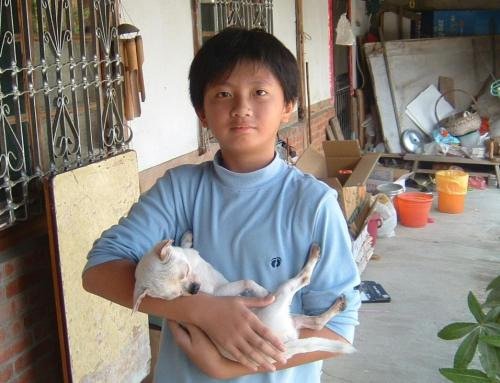
My nephew Billy just got a new pet. It is a Chihuahua, which is a Mexican breed of dog. He has been like a proud papa ever since he got it.

我的姪子比利剛養了一隻新寵物。那是一隻吉娃娃,一種墨西哥犬種。自從養了牠之後,他就像個驕傲的爸爸一樣。

The first time I saw it, I thought it was a rat and started to chase it with a broom. I was just about to smack it with the broom when Billy screamed for me to stop. Poor Billy almost had a heart attack, as did the little rat. When the dog finally stopped shivering with fright, I coaxed it over with a treat. A big morsel of bacon was my way of apologizing for scaring the daylights out of the thing. After it gulped down the bacon, all was forgotten.

我第一次看到牠的時候,還以為是隻老鼠,於是拿起掃帚要去追牠。我正要用掃帚打下去時,比利尖叫著要我住手。可憐的比利差點嚇出心臟病,那隻小「老鼠」也一樣。等那隻狗終於不再嚇得發抖後,我用一點食物把牠哄了過來。一大塊培根就是我為了嚇壞這小東西所表達的歉意。牠把培根狼吞虎嚥地吃下去之後,一切都被拋在腦後了。

Now that I was Killer’s (the dog) friend, it followed me like a shadow. I couldn’t have lost the little weasel if I tried. It was always at my heels wagging its scrawny tail. If I tried to sneak out of the room while it was sleeping, it would quickly wake up and sniff around the house until it found me.

現在我成了「殺手」(那隻狗的名字)的朋友,牠便像影子一樣跟著我。就算我想甩掉這隻小黃鼠狼似的傢伙也甩不掉。牠總是跟在我腳邊,搖著牠那條瘦巴巴的尾巴。如果我趁牠睡著時想偷偷溜出房間,牠會很快醒來,在屋子裡到處嗅聞,直到找到我為止。

In the afternoon Billy and I decided to take Killer for its first walk around the neighborhood. It was only a block, but it seemed to take forever. The little mutt had to sniff every tree and corner along the way. If it smelled another dog, it would sidle up next to the object, lift its back leg and mark its territory. I found it remarkable that such a tiny dog could have that much fluid in its bladder. I kept thinking that it must be finished, but then up its leg would go again for another little squirt. It’s not a wonder that when we got back to the yard, it ran straight for its water dish to refuel.

下午,比利和我決定帶「殺手」在附近散牠人生的第一次步。雖然只有一個街區,卻感覺走了好久好久。這隻小雜種狗一路上非得嗅遍每一棵樹和每一個轉角不可。牠只要聞到別的狗的氣味,就會悄悄靠近那個東西,抬起後腿,標記自己的地盤。我驚訝於這麼小的一隻狗,膀胱裡竟能裝下這麼多液體。我一直以為牠應該尿完了,結果牠的腿又抬了起來,再噴一小股出來。難怪我們回到院子時,牠直奔水盆去補充水分。

When it was time for me to go home, little Killer could sense it. It pawed at my pant legs, trying to get me to stay. As the door closed behind me, it whined like a little boy who had just lost his mommy. The sound was very pathetic, but I whispered to it through the door that I would come back soon; it didn’t console him one bit. The whimpering continued until I was out of earshot, but I knew he would forget about me soon and get back to being Billy’s little baby.

到了我該回家的時候,小「殺手」似乎察覺到了。牠用腳爪抓著我的褲管,想讓我留下來。當門在我身後關上時,牠像個剛失去媽媽的小男孩一樣哀鳴起來。那聲音非常可憐,我隔著門小聲告訴牠我很快就會回來,但這一點也安慰不了牠。哀鳴聲持續著,直到我走遠、再也聽不見為止,但我知道牠很快就會忘記我,繼續當比利的小寶貝。
課文朗讀(真人)

閱讀理解 Questions

What did Billy’s uncle think the dog was?

He thought it was a rat.

How do he apologize for scaring the dog?

He fed it some bacon.

Why did it take so long to walk around the block?

Because the dog had to sniff every tree and corner along the way.

生字及片語 Words & Phrases

breed(n.)品種The Chihuahua is a small breed of dog that originally came from Mexico.吉娃娃是一種原產於墨西哥的小型犬品種。broom(n.)掃帚She swept the kitchen floor with an old broom.她用一把舊掃帚打掃廚房地板。smack(v.)He raised his hand as if to smack the mosquito on his arm.他舉起手,好像要打死手臂上的蚊子。scream(v.)尖叫The little girl began to scream when she saw the spider.小女孩看到蜘蛛時開始尖叫。shiver(v.)顫抖The puppy started to shiver because it was cold and scared.小狗因為又冷又害怕而開始顫抖。fright(n.)驚嚇She let out a cry of fright when the lights suddenly went out.燈突然熄滅時,她發出一聲驚嚇的叫喊。coax(v.)哄騙It took several minutes to coax the shy cat out from under the bed.花了好幾分鐘才把那隻害羞的貓從床底下哄出來。morsel(n.)一口She gave the dog a small morsel of chicken as a reward.她給了那隻狗一小口雞肉作為獎勵。scare the daylights out of(ph.)把…嚇壞The loud thunder really scared the daylights out of my little brother.那聲巨大的雷聲把我弟弟嚇壞了。gulp(v.)狼吞虎嚥地吃The hungry dog began to gulp down its food as soon as the bowl hit the floor.碗一放到地上,那隻飢餓的狗就開始狼吞虎嚥地吃了起來。shadow(n.)影子Wherever I went, the little dog followed me like my own shadow.無論我走到哪裡,那隻小狗都像我的影子一樣跟著我。weasel(n.)黃鼠狼A weasel has a long, thin body and short legs.黃鼠狼有著細長的身體和短短的腿。scrawny(adj.)骨瘦如柴的The stray cat looked scrawny after weeks of not being fed.那隻流浪貓幾週沒被餵食後,看起來骨瘦如柴。sniff(v.)The dog stopped to sniff every lamppost along the street.那隻狗每經過一根路燈柱就停下來嗅一嗅。mutt(n.)雜種狗;傢伙We adopted a friendly little mutt from the animal shelter.我們從動物收容所領養了一隻友善的小雜種狗。sidle(v.)悄悄地走The dog would sidle up to strangers, hoping for a treat.那隻狗會悄悄地走近陌生人,希望能得到點心。territory(n.)領土Male dogs often mark their territory when they go for a walk.公狗散步時常常會標記牠們的地盤。remarkable(adj.)非凡的It was remarkable that such a small dog could bark so loudly.這麼小的狗能叫得這麼大聲,實在是不可思議。fluid(n.)液體The mechanic checked the fluid levels in the car engine.技師檢查了汽車引擎裡的液體存量。bladder(n.)膀胱A small dog needs to empty its bladder quite often.小型犬的膀胱需要經常排空。squirt(n.)噴出的液體A little squirt of water came out of the leaking pipe.那根漏水的管子噴出了一小股水。refuel(v.)補給燃料After the long run, the dog stopped to refuel with a big bowl of water.跑了一段長路後,那隻狗停下來喝一大碗水補充水分。paw(v.)(用腳爪)抓The dog began to paw at the door because it wanted to go outside.那隻狗開始用腳爪抓門,因為牠想出去。whine(v.)發哀鳴聲The puppy started to whine as soon as its owner left the house.主人一離開家,那隻小狗就開始發出哀鳴聲。pathetic(adj.)可憐的The wet, shivering kitten looked absolutely pathetic in the rain.那隻淋濕發抖的小貓在雨中看起來十分可憐。whisper(v.)低聲說She leaned down to whisper a few comforting words to the dog.她彎下腰,對那隻狗低聲說了幾句安慰的話。console(v.)安慰Nothing I said could console the crying child.我說什麼都無法安慰那個哭泣的孩子。whimper(v.)低吠聲The dog continued to whimper softly outside the closed door.那隻狗在緊閉的門外持續發出低吠聲。earshot(n.)聽力所及範圍The whimpering stopped once the dog was out of earshot.一旦超出聽力所及範圍,哀鳴聲就聽不見了。

完整教學音檔

📖 課文教學(中文講解)

小測驗 Quick Check

1. Why did the uncle chase the dog with a broom the first time he saw it?

2. Why couldn't the uncle sneak out of the room while the dog was asleep?

3. What did the dog do when it smelled another dog during the walk?
4

Unit 4: The Stupendous Communication Book

⬇ PDF
The Stupendous Communication BookThe Stupendous Communication Book

Communication books have become an important part of parent-teacher relations. At the end of each school day, a teacher will fill out a page in the book. Usually they will include information like what assignments are due, what the day’s homework is, and general comments about the student’s progress. Also, they may note if the student has been involved in any mischief. To be assured that parents actually read, or at least open the books, it is required that they sign it or stamp it on a daily basis.

聯絡簿已經成為親師關係中重要的一環。每天放學前,老師會在聯絡簿上寫下一頁內容。通常會包含哪些作業即將到期、當天的回家功課,以及對學生學習狀況的整體評語等資訊。此外,老師也可能會註記學生是否調皮搗蛋。為了確保家長真的有閱讀、或至少翻開聯絡簿,通常會要求家長每天簽名或蓋章。

Parents can also use the book to write notes to the teacher. Perhaps they have questions about their child’s performance or maybe they would like to tell the teacher that their son or daughter needs more help in a certain area. No matter what they have to say, it is good to keep an open line of communication between both parties for the benefit of the child.

家長也可以利用聯絡簿寫下想對老師說的話。也許他們對孩子的表現有疑問,或者想告訴老師自己的孩子在某個領域需要多一點協助。無論他們想說什麼,為了孩子好,親師之間保持暢通的溝通管道是很重要的。

As a teacher I can tell you that any comments are much appreciated. For me, there is nothing worse than filling out communication books day after day and never seeing anything but a parent’s signature. I know that the signature or chop mark means that the parents have supposedlyread my comments, but I often wonder if this is the case. I am not looking for a “thank you” or “you’re doing a great job.” I would just like a little feedback. Even some constructive criticism here and there can help me to make amends to my approach with individual students or the class as a whole.

身為一名老師,我可以告訴你,任何評語我都非常感激。對我來說,最讓人洩氣的事,莫過於一天又一天填寫聯絡簿,卻始終只看到家長的簽名,什麼都沒有。我知道那個簽名或印章,照理說代表家長已經看過我的評語了,但我常常懷疑事實是否真是如此。我並不是在期待一句「謝謝老師」或「你做得很好」。我只是希望能得到一點點回饋。哪怕只是偶爾的一些建設性批評,都能幫助我調整自己對個別學生、或對整個班級的教學方式。

The communication book process is quite simple: teachers write in it, students take it home, parents sign it, and students bring it back. But you have to wonder how many students take advantage of chops and stamp their communication book without their parents’ permission. It would be impossible for teachers to tell the difference unlike other countries where a signature is used. Signatures are very hard to duplicate without a lot of practice. I can remember when I went to school and there was always some kid in the class who thought he or she could forge a sick note or parental permission form. Nine times out of ten it didn’t work and the child would end up in big trouble with the school and his or her parents. I trust that the majority of the students are honest, but there are always one or two in a class that you just have to wonder about.

聯絡簿的運作方式其實很簡單:老師在上面寫,學生帶回家,家長簽名,學生再帶回學校。但你不禁會想,到底有多少學生會趁機自己拿印章蓋章,而沒有經過家長同意。老師根本無從分辨其中的差異,這一點和使用簽名的其他國家不同。簽名要完全模仿是非常困難的,除非練習過很多次。我還記得自己上學的時候,班上總會有那麼一兩個孩子,自認為能夠偽造請假單或家長同意書。結果十次有九次都會被拆穿,那個孩子就會在學校和家裡都惹上大麻煩。我相信大部分的學生都是誠實的,但一個班上總會有一兩個讓你不得不懷疑的人。

Regardless of any downfall in the system, it is great that we have communication books at all. They are wonderful tools for those who use them the way they were intended—as a direct line of communication from the teacher to the household. So let’s give a big round of applause for that tiny little book that has improved education for so many students around the world. Clap. Clap. Who would have thought that such a simple idea could have been so effective?

儘管這套制度有其缺陷,但我們能擁有聯絡簿這件事,本身就已經很棒了。對於願意依照原本用意來使用它的人來說,聯絡簿是很棒的工具——它是老師與家庭之間一條直接的溝通管道。所以,讓我們為那本小小的聯絡簿鼓掌吧,它讓全世界這麼多學生的教育都因此變得更好。啪、啪。誰能想到,一個這麼簡單的點子竟然能有這麼大的效果呢?

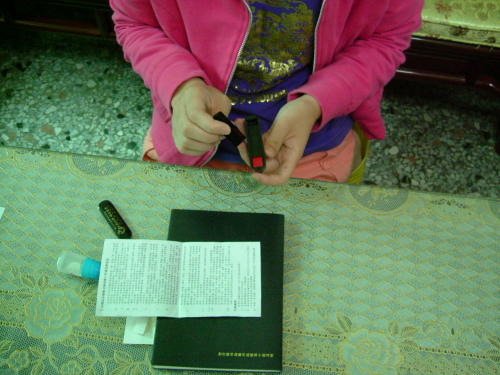
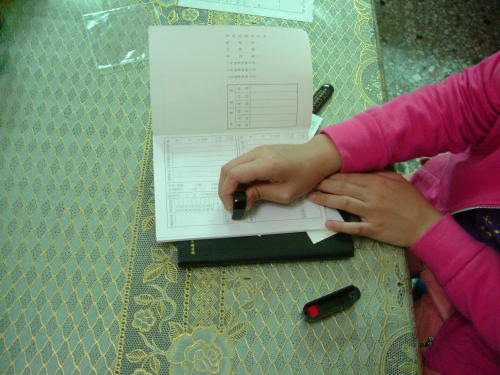
Picture 1 A parent is preparing to use her chop to stamp her son’s communication book. She removes the chop from its case and dabs it in the red paste. The red paste is used like an inkpad is used for a stamp.

圖片一一位母親正準備用印章在兒子的聯絡簿上蓋章。她把印章從盒子裡拿出來,沾了沾紅色印泥。紅色印泥的用法就像印台之於印章一樣。

Picture 2 After reading over the teacher’s daily comments, she presses her chop lightly onto the page in the parent’s signature box. It leaves her “signature” behind in red paste, showing the teacher that she has indeed read the comments.

圖片二在讀完老師每天寫的評語後,她輕輕地把印章蓋在聯絡簿家長簽名欄的位置上。這在紙上留下了她的「簽名」,向老師證明她確實看過這些評語。
課文朗讀(真人)

閱讀理解 Questions

What are parents supposed to do after reading the communication book?

They are supposed to sign it or stamp it.

What information might a parent see in their child’s communication book?

They might find information on what assignments are due, what the day’s homework is, and general comments about the student’s progress.

Do you think some students use their parent’s chop without permission?

Yes, I think some students do. (No, I don’t think any students do.)

生字及片語 Words & Phrases

stupendous(adj.)了不起的The fireworks display at the festival was stupendous.節慶的煙火表演真是了不起。communication book(ph.)聯絡簿The teacher wrote a note in the student's communication book about tomorrow's field trip.老師在學生的聯絡簿上寫了一則關於明天校外教學的提醒。assignment(n.)作業She finished her math assignment before dinner.她在晚餐前完成了數學作業。due(adj.)到期的The report is due on Friday afternoon.這份報告星期五下午到期。comment(n.)評論The teacher left a helpful comment in the margin of the essay.老師在文章的空白處留下了一則有幫助的評論。mischief(n.)頑皮;淘氣The twins are always getting into mischief during recess.這對雙胞胎下課時總是在調皮搗蛋。on a daily basis(ph.)每一天Parents are asked to check the communication book on a daily basis.家長被要求每天檢查聯絡簿。performance(n.)比現The teacher praised the student's improved performance in class.老師稱讚這位學生在課堂上表現進步了。benefit(n.)好處Regular exercise has many benefits, and one benefit is better sleep.規律運動有許多好處,其中一項好處就是睡得更好。signature(n.)簽名Please leave your signature at the bottom of the form.請在表格底部簽名。supposedly(adv.)可能The parents have supposedly read the teacher's comments, but she is not always sure.照理說家長應該已經看過老師的評語了,但她並不總是確定。feedback(n.)回饋The teacher asked parents for honest feedback about the new homework policy.老師請家長針對新的作業政策提供誠實的回饋。constructive(adj.)建設性的He offered some constructive suggestions to improve the lesson.他提出了一些建設性的建議來改善這堂課。criticism(n.)評論She accepted the criticism and tried to improve her writing.她接受了那個評論,並試著改進自己的寫作。make amends(ph.)補償He tried to make amends for forgetting her birthday by baking a cake.他忘了她的生日,於是烤了一個蛋糕來補償。approach(n.)方法The teacher decided to try a new approach to teaching grammar.老師決定嘗試一種教文法的新方法。permission(n.)允許Students must get permission from their parents before joining the trip.學生在參加校外教學前必須先得到父母的允許。duplicate(v.)複製It is very difficult to duplicate someone else's signature exactly.要完全複製別人的簽名是非常困難的。forge(v.)偽造The student tried to forge his mother's signature on the sick note.那名學生試圖在請假單上偽造他母親的簽名。majority(n.)大多數The majority of students in the class passed the exam.班上大多數的學生都通過了考試。regardless of(ph.)不管The teacher grades every assignment fairly, regardless of who submitted it.不管是誰交的作業,老師都公平地批改。downfall(n.)墜落The biggest downfall of the chop system is that anyone can use it without permission.印章制度最大的缺點就是任何人都能未經允許使用它。intend(v.)打算The book was intended to help parents and teachers communicate better.這本聯絡簿的用意是幫助家長和老師更好地溝通。applause(n.)喝采The audience gave the young performer loud applause.觀眾對這位年輕的表演者報以熱烈的喝采。effective(adj.)有效的The communication book is an effective way to keep parents informed.聯絡簿是讓家長隨時掌握狀況的一種有效方式。

完整教學音檔

📖 課文教學(中文講解)

小測驗 Quick Check

1. According to the passage, why does the author, as a teacher, find it frustrating when parents only sign the communication book?

2. Why does the author say it would be hard for teachers to know if a student stamped the book without permission?

3. What is the overall message of the final paragraph of the passage?
5

Unit 5: Grandma Irons Johnny’s Pants

⬇ PDF
Grandma Irons Johnny’s Pants

“Grandma, could you iron my pants for me?” Johnny shouted down the stairs. “I'm going to be late for school.”

「奶奶,你可以幫我燙一下褲子嗎?」強尼從樓梯上喊下去。「我上學要遲到了。」

There was no response. It was if he hadn’t been heard. But then he remembered something important that would surely gain his grandmother’s attention.

沒有任何回應。就好像沒人聽到一樣。但接著他想起了一件重要的事,這件事一定能引起奶奶的注意。

“Please,” he politely added.

「拜託啦,」他有禮貌地補了一句。

“That’s better,” his grandma said, her voice echoing up the stark concrete walls of the stairwell. Following this, he threw the wrinkled pants down to her.

「這樣才對嘛,」奶奶說,她的聲音在樓梯井那僵硬的混凝土牆上回蕩著。說完,他就把皺巴巴的褲子丟下樓給她。

“Thanks, Granny,” was all he said.

「謝啦,奶奶,」他只說了這句話。

“You’re always forgetting to use your manners, 7” she scolded. “Sometimes I wonder if you were raised by monkeys, but then again they probably have better manners than you do.”

「你老是忘記要有禮貌,」她責備道。「有時候我真懷疑你是不是猴子養大的,不過話說回來,猴子大概都比你有禮貌。」

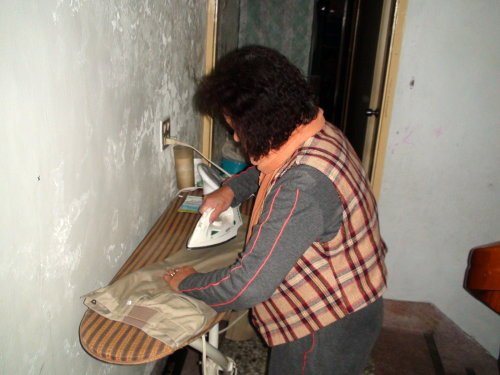
The elderly woman bent over and picked the clean pants up off the floor. She gave them a shake and wiped off the dust with her hands. She opened the closet door and took out the ironing board. It made a ratcheting sound as she pulled out the collapsible legs and set it up.

老婦人彎下腰,把乾淨的褲子從地上撿起來。她把褲子抖了抖,用手把灰塵拍掉。她打開衣櫃門,拿出燙衣板。當她拉出可摺疊的腳架把它架起來時,發出了咔咔的聲響。

Cold water trickled from the tap as she filled the iron, being careful not to get the cord wet. Then after plugging in the iron, she went upstairs to get some other clothes to iron. She felt that there was no sense in getting the iron ready just for one pair of pants.

冷水從水龍頭滴出,注入熨斗,她小心翼翼地不讓電線碰到水。接著她插上熨斗的插頭後,就上樓去拿其他要燙的衣服。她覺得只為了一條褲子就把熨斗準備好,實在不划算。

When she returned, the iron was hot and ready for action. She flattened out one of the pant legs, made sure the creases lined up and then ran the hot iron firmly across it. Steam belched out of the iron and it hissed as it took the wrinkles out of the material. She then repeated the process with the other leg.

當她回來時,熨斗已經燙熱、準備就緒。她把其中一條褲管攤平,確認摺痕對齊,然後用滾燙的熨斗用力地熨過去。熨斗噴出蒸氣,發出嘶嘶聲,把布料上的皺褶燙平了。接著她用同樣的方式熨另一條褲管。

“Your pants are ready!” granny yelled.

「你的褲子好了!」奶奶喊道。

Johnny suddenly streaked past her in his ginch. He tore the pants out of her hands so quickly it nearly gave her a nasty burn. Granny shook her head at the boy’s disrespectful behavior.

強尼突然只穿著內褲從她身邊飛奔而過。他把褲子從她手中一把扯走,動作快得幾乎讓她嚴重燙傷。奶奶對這男孩無禮的行為搖了搖頭。

“Thanks again, granny,” was all that the nearly naked boy said. And then he was gone.

「再次謝謝你,奶奶,」這個幾乎全裸的男孩只說了這句話。然後他就消失了。
課文朗讀(真人)

閱讀理解 Questions

What did Johnny’s grandmother respond when he first asked her to iron his pants?

Because he didn’t use his manners by saying please.

Why did she go get more laundry to iron?

She felt that there was no sense in getting the iron ready just for one pair of pants.

How does an iron take wrinkles out of clothes?

It uses hot steam to take out wrinkles.

生字及片語 Words & Phrases

response(n.)回答;回應Johnny waited for a response, but no one answered from downstairs.強尼等待回應,但樓下沒有人回答。echo(v.)回聲Her voice began to echo up the stairwell as she spoke.她說話的聲音開始在樓梯井裡回響。stark(adj.)僵硬的The stark concrete walls made the stairwell feel cold and bare.僵硬的混凝土牆讓樓梯井顯得冷清又空蕩。concrete(n.)混凝土The stairwell was built entirely of gray concrete.樓梯井完全是用灰色混凝土建造的。stairwell(n.)樓梯井His voice echoed loudly through the narrow stairwell.他的聲音在狹窄的樓梯井裡大聲回響。wrinkled(adj.)有皺紋的He threw his wrinkled pants down the stairs for his grandma to iron.他把有皺褶的褲子丟下樓梯,讓奶奶去燙平。manners(n.)禮貌Grandma scolded him for forgetting to use his manners.奶奶因為他忘記講禮貌而責備他。ratcheting(adj.)齒輪運作時發出的聲音The ironing board made a ratcheting sound as she pulled out its legs.當她拉出燙衣板的腳架時,發出了齒輪咔咔作響的聲音。collapsible(adj.)可摺疊的She set up the collapsible ironing board next to the closet.她在衣櫃旁架起了可摺疊的燙衣板。trickle(v.)Cold water began to trickle from the tap into the iron.冷水開始從水龍頭滴入熨斗中。flatten(v.)使變平She used the hot iron to flatten out the wrinkled pant leg.她用熱熨斗把有皺褶的褲管燙平。crease(n.)摺痕She made sure the crease lined up perfectly before ironing.她在熨燙之前確認褲子的摺痕對齊。firmly(adv.)穩固地She pressed the hot iron firmly across the fabric.她把熱熨斗穩穩地壓過布料。steam(n.)蒸氣Hot steam rose from the iron as it pressed the pants.熨斗在燙褲子時冒出熱蒸氣。belch(v.)噴出The iron began to belch steam as she pressed the fabric.熨斗在她熨燙布料時噴出蒸氣。hiss(v.)發出嘶嘶聲The iron started to hiss as it smoothed out the wrinkles.熨斗在燙平皺褶時發出嘶嘶聲。material(n.)織物The hot iron smoothed the wrinkles out of the thin material.熱熨斗把薄織物上的皺褶燙平了。streak(v.)裸體飛奔Johnny began to streak past his grandmother the moment the pants were ready.褲子一燙好,強尼就光著身子從奶奶身邊飛奔而過。ginch(n.)三角褲;內褲Johnny ran past her wearing only his ginch.強尼只穿著內褲從她身邊跑過。nasty(adj.)嚴重的Grabbing the hot pants so fast nearly gave him a nasty burn.太快抓起滾燙的褲子,幾乎讓他嚴重燙傷。disrespectful(adj.)無禮的Granny shook her head at the boy’s disrespectful behavior.奶奶對這男孩無禮的行為搖了搖頭。naked(adj.)裸體的The nearly naked boy grabbed his pants and ran off.那個幾乎全裸的男孩抓起褲子就跑走了。

完整教學音檔

📖 課文教學(中文講解)

小測驗 Quick Check

1. What made Johnny’s grandmother respond warmly to his second request?

2. What did the grandmother do right after taking the iron out and filling it with water?

3. What happened right after Johnny grabbed his pants from his grandmother?
6

Unit 6: Susan Sees a Flea

⬇ PDF
Susan Sees a FleaSusan Sees a Flea

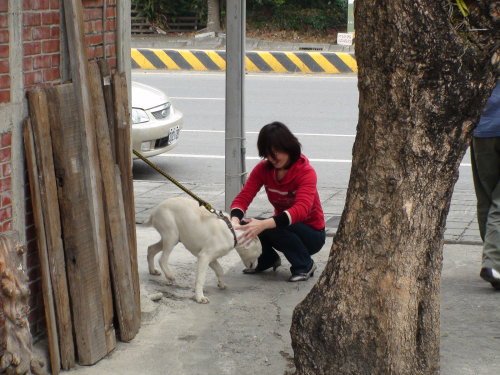
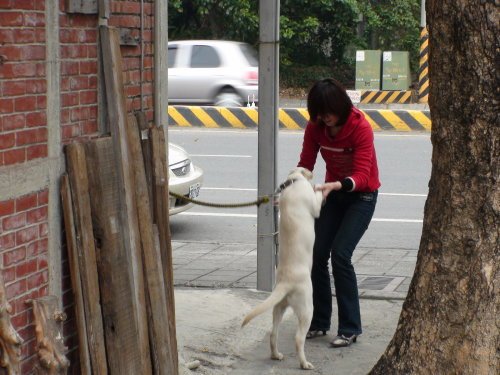
One cool winter day Susan was strolling down the sidewalk when she came across a cute puppy that was tied to the side of someone’s house with a short leash. The puppy wagged his tail eagerly as she approached, so Susan decided to stop and say hello.

在一個涼爽的冬日,蘇珊正沿著人行道緩步走著,突然看見一隻可愛的小狗,牠被一條短鍊拴在某戶人家的房子旁邊。小狗一看到她走近,就熱切地搖起尾巴,於是蘇珊決定停下腳步,跟牠打個招呼。

“Hi there, little fellow,” she said as she cautiously crouched down in front of him, still keeping a safe distance away. “How are you?”

「嗨,小傢伙,」她一邊小心翼翼地蹲在牠面前,一邊說道,仍然保持著安全的距離。「你好嗎?」

The furry, light-tan puppy seemed very excited to have a visitor. He could hardly contain himself and kept trying to get closer to her, but each time he neared her, the short leash stopped him abruptly.

這隻毛茸茸、淡棕褐色的小狗似乎對有訪客感到非常興奮。牠幾乎無法控制自己,一直想要靠近她,但每次牠靠近時,那條短鍊就會突然把牠拉住。

Susan reached out her hand to let him have a sniff. She didn’t want to get too close to a strange dog right away in case he got frightened, but when his cold wet nose touched her hands, she could tell that he was gentle. Once the two were better acquainted, Susan scooched forward and patted him on the head.

蘇珊伸出手,讓小狗聞一聞。她不想一開始就太靠近一隻陌生的狗,以免牠受到驚嚇,但當牠冰冷濕潤的鼻子碰到她的手時,她感覺得出牠很溫馴。等兩人比較熟悉之後,蘇珊便小步向前移動,輕拍了一下牠的頭。

“You’re a good boy, aren’t you?” she said in a childish voice.

「你是隻乖狗狗,對吧?」她用孩子般的聲音說道。

All of a sudden, Susan jumped backward. She had seen a tiny black speck disappear into the lab’s thick coat. It was a flea.

突然間,蘇珊往後跳開。她看見一個黑色的小點消失進這隻拉不拉多犬濃密的毛皮裡。那是一隻跳蚤。

“I wish I could pet you more,” she said apologetically, “but I don’t want to get fleas!”

「我真希望能多摸摸你,」她抱歉地說,「但我不想染上跳蚤!」

Susan turned and fled. She had a phobia of tiny crawly things. The very thought of having touched a flea infested dog made her skin crawl. She would spend the rest of the day obsessively washing her hair.

蘇珊轉身逃走了。她對微小會爬行的東西有恐懼症。一想到自己碰過一隻長滿跳蚤的狗,她就渾身起雞皮疙瘩。她接下來一整天都會著魔似地反覆洗頭髮。
課文朗讀(真人)

閱讀理解 Questions

Where did Susan see the dog?

She saw it tied to the corner of someone’s house.

Why did she approach it cautiously?

She didn’t want to get too close to a strange dog right away in case he got frightened.

What did Susan see that made her run away?

She saw a flea.

生字及片語 Words & Phrases

stroll(v.)緩步走Every evening, my grandfather likes to stroll along the river with his cane.每天傍晚,我爺爺都喜歡拄著拐杖沿著河邊緩步走。come across(ph.)偶然碰見While cleaning the attic, she happened to come across an old photo album from her childhood.在打掃閣樓時,她偶然碰見了一本她童年時期的舊相簿。leash(n.)The park rules require every dog to be kept on a leash at all times.公園規定所有的狗都必須全程繫著鏈子。eagerly(adv.)熱切地The children waited eagerly outside the theater for the movie to begin.孩子們在電影院外熱切地等待電影開始。approach(v.)接近The deer froze the moment it saw the hikers approach.那隻鹿一看到登山客接近,立刻僵住不動。cautiously(adv.)小心地He opened the old wooden door cautiously, unsure of what was inside.他小心地打開那扇老舊的木門,不確定裡面有什麼。crouch(v.)蹲下來The photographer had to crouch down to get a better angle of the flowers.攝影師必須蹲下來,才能拍到花朵更好的角度。distance(n.)距離From a distance, the mountain looked much smaller than it actually was.從遠處看,那座山看起來比實際上小很多。furry(adj.)覆有毛皮的The kitten curled up into a furry little ball on the couch.小貓在沙發上蜷縮成一個毛茸茸的小球。light-tan(adj.)淡棕褐色的She bought a pair of light-tan boots to match her autumn coat.她買了一雙淡棕褐色的靴子來搭配她的秋季外套。contain(v.)控制(情緒)She could barely contain her excitement when she heard the good news.聽到這個好消息時,她幾乎無法控制自己的興奮之情。abruptly(adv.)突然地The music stopped abruptly, and the whole room fell silent.音樂突然地停止,整個房間頓時陷入寂靜。frightened(adj.)受到驚嚇的The frightened cat hid under the bed during the thunderstorm.那隻受到驚嚇的貓在雷雨期間躲到了床底下。acquainted(adj.)認識的It took a few meetings before the two new colleagues became well acquainted.經過幾次見面後,這兩位新同事才漸漸熟識起來。scooch(v.)小步移動Could you scooch over a little so I can sit next to you?你可以小步移動一下嗎,這樣我才能坐在你旁邊?speck(n.)微小物She noticed a tiny speck of dust floating in the sunlight.她注意到一粒微小的灰塵在陽光中飄浮著。lab(n.)此處是labrador拉不拉多狗的縮寫Our neighbor's lab loves to chase tennis balls in the yard.我們鄰居的拉不拉多狗最喜歡在院子裡追網球。apologetically(adv.)道歉地He smiled apologetically after arriving twenty minutes late to the meeting.開會遲到二十分鐘後,他帶著歉意地笑了笑。phobia(n.)恐懼症Her phobia of heights made it impossible for her to climb the ladder.她的懼高症讓她完全無法爬上那個梯子。crawly(adj.)令人毛骨悚然的There was a crawly feeling on the back of her neck when the spider walked past.當蜘蛛爬過時,她的後頸有一種令人毛骨悚然的感覺。infest(v.)寄生於Mosquitoes tend to infest areas with standing water during the summer.夏天時,蚊子往往會在有積水的地方大量繁殖聚集。crawl(v.)起雞皮疙瘩The horror movie made her skin crawl from start to finish.那部恐怖片從頭到尾都讓她起雞皮疙瘩。obsessively(adv.)著魔地After the accident, he obsessively checked the door locks every night.那次意外之後,他每晚都會著魔般地反覆檢查門鎖。

完整教學音檔

📖 課文教學(中文講解)

小測驗 Quick Check

1. What was the puppy tied to when Susan first found it?

2. How did the puppy react when Susan approached it?

3. What did Susan plan to do for the rest of the day after seeing the flea?
7

Unit 7: Making Copies

⬇ PDF
Making Copies

It was another busy day at the office. Luke was up to his ears in paperwork and the boss had been breathing down his neck since he walked through the door at the start of the day.

這又是辦公室忙碌的一天。路克埋首於一堆文件之中,從他一早踏進辦公室開始,老闆就一直在他背後緊盯著他。

“We’ve got deadlines to meet,” the gray-haired old man said in a gruff voice.

「我們有截止期限要趕。」那個滿頭白髮的老頭用粗啞的聲音說道。

Luke rolled his eyes at the mention of ‘we’. He did all the work around the office and all the boss did was sit around drinking coffee, barking out orders and pretending he was some big shot. But he held his tongue.

路克一聽到「我們」這個字眼就翻了個白眼。辦公室裡所有的工作都是他一個人做的,老闆整天只會坐著喝咖啡、對人吆喝下令,還裝出一副大人物的模樣。但他還是忍住沒說出口。

“Sorry, sir, I’ll pick up the pace this afternoon,” Luke politely responded and then disappeared into the copy room.

「對不起,老闆,我下午會加快進度。」路克禮貌地回應後,便躲進了影印室。

The copy room seemed Luke’s only escape from the old man who reeked of coffee and cheap cologne. For reasons unknown, the boss never, under any circumstances, entered this room. It was probably just as well, Luke thought and then snickered quietly, his cologne might reactwith the copy fluid and cause an explosion.

影印室似乎是路克躲避那個滿身咖啡味和廉價古龍水味的老頭的唯一去處。不知道是什麼原因,老闆無論如何都不會走進這個房間。路克心想,這樣或許也好,接著他悄悄地竊笑了一下,心想老闆身上的古龍水說不定會和影印機的藥水起反應,引發爆炸呢。

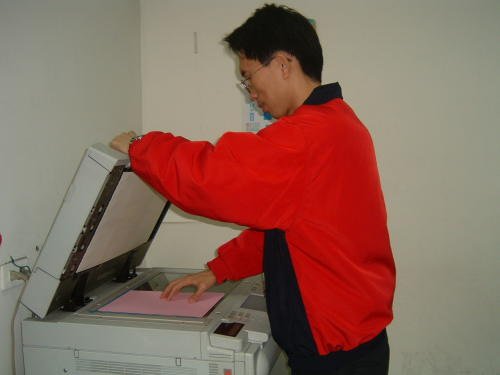
The large photocopier was already warmed up and ready to go. Luke lifted the lid and placed a document facedown on the glass, carefully positioning it. After punching in the number of copies he wanted and selectingthe paper size, he hit the start button. The machine hummed away as it scanned the document. A light under the lid moved back and forth as it did. Luke stared blankly at the tray on the side waiting for the paper to come out.

那台大型影印機早已預熱完畢,準備就緒。路克掀起機蓋,小心地把一份文件面朝下擺在玻璃板上,仔細調整好位置。他按下想要的份數,選好紙張尺寸後,便按下了啟動鍵。機器發出嗡嗡的運轉聲,開始掃描文件,機蓋下的燈光也隨之來回移動。路克茫然地盯著旁邊的紙張出紙盤,等著紙張印出來。

Beep, beep, beep…

嗶、嗶、嗶……

“Don’t tell me Julie didn’t fill the paper tray again,” Luke griped aloud, even though no one was in the room. First a cantankerous old boss and now this. It was almost enough to make him snap.

「別告訴我茱莉又沒補紙了。」路克大聲發著牢騷,儘管房間裡根本沒有別人。先是脾氣壞的老闆,現在又碰上這種事,這幾乎足以讓他抓狂了。

There was no doubt in Luke’s mind that it was Julie who’d left the machine empty. It had to be her. Who else would do such a selfish thing, he thought. Besides, Julie was famous around the office for using the copier and leaving it empty. Images of revenge danced through his head.

路克心裡毫不懷疑,把影印機弄空的人就是茱莉。一定是她。他心想,還有誰會做出這麼自私的事呢?況且,茱莉在辦公室裡本來就以用完影印機卻不補紙出名。報復的畫面在他腦海中一幕幕閃過。

“I’ll get her, if it’s the last thing I do!” Luke laughed evilly. “Mark my words.”

「就算是我這輩子做的最後一件事,我也一定要整整她!」路克邪惡地笑了。「記住我說的話。」
課文朗讀(真人)

閱讀理解 Questions

Why did Luke roll his eyes when his boss mentioned ‘we’ along with something to do with work?

He rolled his eyes because Luke believes he does all the work around the office and his boss doesn’t do anything.

Why did Luke like the copy room?

He liked it because his boss never went in there.

Who did Luke immediately think of when the copier beeped that it was out of paper?

He thought of Julie right away.

生字及片語 Words & Phrases

breathe down sb’s neck(ph.)緊緊盯住My manager has been breathing down my neck all week about the report.我的經理這整個星期都緊緊盯著我,催促那份報告。deadline(n.)截止期限We have to finish the project before the deadline on Friday.我們必須在星期五的截止期限前完成這個專案。gruff(adj.)粗啞的The old man answered the phone in a gruff voice.那個老人用粗啞的聲音接了電話。pretend(v.)假裝She closed her eyes and pretended to be asleep.她閉上眼睛,假裝睡著了。a big shot(ph.)重要人物He walks around the office like he is a big shot.他在辦公室裡走來走去,一副自己是重要人物的樣子。pick up(ph.)增加We need to pick up the pace if we want to finish on time.如果我們想準時完成,就得加快速度。pace(n.)速度The runners slowed their pace as they climbed the hill.跑者們在爬坡時放慢了速度。reek of(ph.)有…惡臭味The old jacket reeked of cigarette smoke.那件舊外套有一股濃濃的菸味。cologne(n.)古龍水He put on too much cologne before the interview.他在面試前噴了太多古龍水。circumstance(n.)情況Under no circumstance should you open that door.無論如何你都不應該打開那扇門。snicker(v.)竊笑The students began to snicker when the teacher tripped.老師絆倒時,學生們開始竊笑。react(v.)反應The chemicals react quickly when they are mixed together.這些化學物質混合在一起時會迅速產生反應。explosion(n.)爆炸A loud explosion shook the entire building.一聲巨大的爆炸震動了整棟大樓。photocopier(n.)影印機The photocopier in the office broke down again this morning.辦公室裡的影印機今天早上又故障了。lift(v.)掀起He bent down to lift the heavy box off the floor.他彎下腰把地上那個沉重的箱子搬起來。document(n.)文件Please sign this document before you leave.請在離開前簽署這份文件。facedown(adv.)面向下地He placed the photo facedown on the table so no one could see it.他把照片面朝下放在桌上,這樣就沒有人能看到了。position(v.)把….放在適當的位置She carefully positioned the vase in the center of the table.她小心翼翼地把花瓶擺在桌子的正中央。punch(v.)用力按He punched in his password and unlocked the door.他用力按下密碼,把門打開了。select(v.)選擇Please select the size of paper you want to print on.請選擇你想要列印的紙張尺寸。hum(v.)發嗡嗡聲The refrigerator began to hum softly in the quiet kitchen.在安靜的廚房裡,冰箱開始發出輕輕的嗡嗡聲。scan(v.)掃描The machine will scan each page before printing a copy.這台機器會在列印之前先掃描每一頁。blankly(adv.)茫然地He stared blankly at the screen, unable to remember his password.他茫然地盯著螢幕,怎麼也想不起密碼。gripe(v.)發牢騷Workers began to gripe about the long hours and low pay.員工們開始為了長工時和低薪水而發牢騷。cantankerous(adj.)脾氣壞的The cantankerous old man yelled at anyone who walked on his lawn.那個脾氣壞的老人只要有人走過他的草坪就會對他們大吼。snap(v.)憤怒地說“Leave me alone!” she snapped at her little brother.「別煩我!」她對弟弟憤怒地說。revenge(n.)報復He swore he would get revenge on the classmate who tricked him.他發誓要對那個捉弄他的同學進行報復。evilly(adv.)邪惡地The villain laughed evilly as he locked the door behind him.那個壞蛋在鎖上身後的門時邪惡地大笑。

完整教學音檔

📖 課文教學(中文講解)

小測驗 Quick Check

1. Why does Luke feel that his boss’s use of the word ‘we’ is unfair?

2. What does Luke imagine might happen if the boss’s cologne came into contact with the copier fluid?

3. What is Luke’s plan by the end of the passage?
8

Unit 8: The English Vocabulary Contest

⬇ PDF
The English Vocabulary Contest

My name is Harold. I am a junior high school student. My English is pretty good, so my teacher thought I should enter in an English vocabulary contest. I followed his advice and took part in the contest last Sunday.

我叫哈羅德,是一名國中生。我的英文相當不錯,所以我的老師認為我應該參加一場英文單字比賽。我聽從了他的建議,於上週日參加了這場比賽。

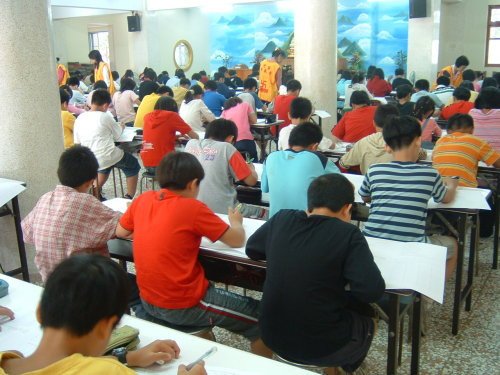
Several kind volunteers, who gave up their Sunday to help out, set up the contest. It was held at the Ming Harng Temple, where they had lots of tables set up for the contestants, about 150 in total, to sit at. The volunteers, who wore yellow vests, also acted as monitors to make sure that no one was cheating.

幾位親切的義工犧牲了他們的星期日來幫忙籌辦這場比賽。比賽在明航寺舉行,那裡擺了許多桌子,供大約一百五十名參賽者入座。這些穿著黃色背心的義工同時也擔任監考人員,確保沒有人作弊。

I sat at a table with some other junior high students from Beidou. We talked and got to know each other a bit before the contest. It was nice to talk to others that were nervous like me. It made all of us feel more at ease.

我和幾位來自北斗的國中生同桌。比賽開始前,我們聊了聊,稍微認識了彼此。能和其他同樣緊張的人聊天真的很好,這讓我們大家都感到更自在一些。

When I began the test, I thought it was going to be the most difficult thing that I had ever done, but boy was I wrong. The first part of the test had about 40 multiple-choice questions that I breezed through. Each question gave an English word and 4 possible Chinese definitions to choose from. I think I only got about one wrong.

考試開始時,我原以為這會是我做過最困難的事,但沒想到我完全想錯了。考試的第一部分大約有四十題選擇題,我輕鬆就通過了。每一題都會給出一個英文單字,並提供四個可能的中文定義供我選擇。我想我大概只錯了一題。

The next part was almost as easy, but not quite as it wasn’t in multiple-choice form. Each question, of which there were 80, presented an English word and I was then required to provide the definition in Chinese. It tested my knowledge more than the first part of the exam, but I still aced it.

接下來的部分幾乎一樣簡單,只是形式不是選擇題。這部分共有八十題,每一題都會呈現一個英文單字,我必須用中文寫出它的定義。這比第一部分更能測驗出我的實力,不過我還是表現得很好。

The final part of the test was definitely the most difficult. It too had 80 questions like the previous part. Here, they gave a Chinese word or definition. I then had to come up with a single English word that was equivalent—a synonym so to speak. Doesn’t sound so tough, right? Sure...if I didn’t have to spell the word, too. Spelling is not my strong suit and it showed as I only spelled about 40 of the words right.

考試的最後一部分絕對是最困難的。這部分同樣有八十題,和前一部分類似。這次,他們給出的是一個中文詞或定義,我必須想出一個對應的英文單字,也就是所謂的同義字。聽起來不會太難,對吧?沒錯……如果不用拼出這個字的話。拼字向來不是我的強項,這點在考試中表露無遺,我大概只拼對了四十個字。

In the end, I finished in about twentieth place. Not too bad I figure, but with a little more spelling practice I should be able to crack the top ten and get into the money. There is 2, NT available for the winner, you know. Wish me luck!

最後,我大概拿到了第二十名左右。我認為還算不錯,但如果能多加練習拼字,應該就有機會擠進前十名,拿到獎金。得獎者可是有兩萬元台幣的獎金呢!祝我好運吧!
課文朗讀(真人)

閱讀理解 Questions

Why did Harold enter the contest?

He entered because his teacher thought he should.

What helped Harold calm down before the exam?

Talking to other students in the contest helped him calm down.

What was Harold’s weakness?

Spelling was his weakness.

生字及片語 Words & Phrases

contest(n.)比賽Harold decided to enter the English vocabulary contest at his teacher's suggestion.哈羅德在老師的建議下決定參加英文單字比賽。take part in(ph.)參加About 150 students decided to take part in the contest last Sunday.上週日大約有一百五十名學生決定參加這場比賽。volunteer(n.)義工Several kind volunteers gave up their Sunday to help set up the contest.幾位親切的義工犧牲了他們的星期日來幫忙籌辦這場比賽。contestant(n.)參賽者Each contestant was given a table to sit at during the exam.每位參賽者在考試期間都有一張桌子可以坐。in total(ph.)總共There were about 150 students in total sitting for the contest.總共大約有一百五十名學生參加了這場比賽。monitor(n.)監考人員The monitor in the yellow vest walked around to make sure no one was cheating.穿著黃色背心的監考人員四處走動,確保沒有人作弊。at ease(ph.)輕鬆;自在Talking with other nervous students made Harold feel more at ease.和其他同樣緊張的學生聊天讓哈羅德感到更加自在。multiple-choice question(ph.)選擇題The first part of the test had about 40 multiple-choice questions.考試的第一部分大約有四十題選擇題。breeze(v.)輕易地通過Harold managed to breeze through the multiple-choice section of the test.哈羅德輕鬆地通過了考試的選擇題部分。definition(n.)定義Each question gave four possible Chinese definitions to choose from.每一題都提供了四個可供選擇的中文定義。present(v.)呈現The second part of the test would present an English word for students to define.考試的第二部分會呈現一個英文單字讓學生解釋。ace(v.)表現傑出Harold worked hard and managed to ace the second part of the exam.哈羅德很努力,並且在考試的第二部分表現傑出。definitely(adv.)肯定地The final part of the test was definitely the most difficult one.考試的最後一部分絕對是最困難的一部分。previous(adj.)先前的The final section had 80 questions, just like the previous part.最後一個部分和前一部分一樣,有八十道題目。come up with(ph.)想出Harold had to come up with an English word that matched the Chinese definition given.哈羅德必須想出一個符合所給中文定義的英文單字。equivalent(adj.)同意義的He needed to find an English word that was equivalent in meaning to the Chinese term.他必須找出一個和該中文詞語意義相同的英文單字。synonym(n.)同義字The task was basically to give a synonym for the Chinese word or phrase.這項任務基本上就是要給出該中文詞或片語的同義字。so to speak(ph.)所謂He had to come up with a matching word, a synonym so to speak.他必須想出一個相對應的字,也就是所謂的同義字。strong suit(ph.)強項Spelling has never been Harold's strong suit.拼字向來不是哈羅德的強項。figure(v.)認為Harold did not win, but he did not figure it was a bad result either.哈羅德雖然沒有得獎,但他也不認為這是個糟糕的結果。crack(v.)進入With more practice, Harold hopes to crack the top ten next time.多加練習後,哈羅德希望下次能擠進前十名。

完整教學音檔

📖 課文教學(中文講解)

小測驗 Quick Check

1. Where was the English vocabulary contest held?

2. What was the format of the second part of the test?

3. Why did Harold only get about 40 of the final 80 questions right?
9

Unit 9: Jasmine and Tony Roller Blade at School

⬇ PDF
Jasmine and Tony Roller Blade at School

“I can hardly wait to get to school today,” Jasmine said excitedly.

「我等不及要去上學了!」潔思敏興奮地說。

“Why is that?” her friend Tony asked. “Usually you are the last one to class every day.”

「為什麼呢?」她的朋友東尼問道。「你平常每天都是最後一個到教室的人。」

“But today is Fun Day,” she answered. “And we get to go rollerblading.”

「因為今天是趣味日,」她回答。「我們可以去溜直排輪。」

“Rollerblading? I’ve never heard of that before?” Tony admitted.

「溜直排輪?我以前從來沒聽過這個?」東尼坦承。

“What!” Jasmine exclaimed. “Were you born in the forest and raised by wolves or something? Everybody knows what rollerblading is.”

「什麼!」潔思敏驚呼。「你是在森林裡出生、被狼養大的嗎?大家都知道什麼是溜直排輪啊。」

“Sorry, I’m not up on all the ‘hip’ things to do. It’s not my fault,” Tony claimed in defense of his ignorance.

「抱歉,我對所有『流行』的事情都不太了解,這又不是我的錯,」東尼為自己的無知辯護道。

“Anyway, I’ll tell you all about it on the way to school so that you don’t look like a complete fool,” Jasmine told him.

「不管怎樣,我在去學校的路上會把一切都告訴你,這樣你才不會顯得像個徹頭徹尾的傻瓜,」潔思敏告訴他。

As they walked, Jasmine explained about rollerblading. She told him how rollerblades were sort of like ice-skates and sort of like roller-skates. They have wheels like roller-skates, but the wheels are thinner and have a larger diameter. Also, the wheels are set in a line which gives them more of an ice-skate feel. This is also why they are sometimes called inline-skates.

他們一邊走,潔思敏一邊解釋什麼是溜直排輪。她告訴他,直排輪有點像冰刀鞋,又有點像輪式溜冰鞋。它們和輪式溜冰鞋一樣有輪子,但輪子比較細,直徑也比較大。而且輪子是排成一直線的,這讓它們更有冰刀鞋的感覺。這也是為什麼它們有時被稱為「直排輪」(inline-skates)。

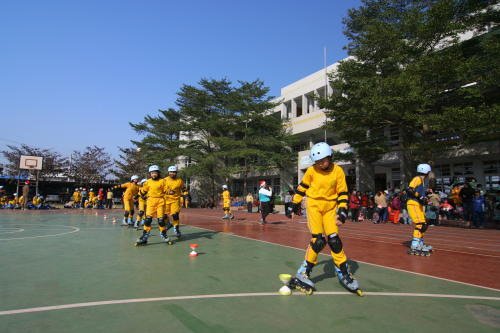
When the children arrived at school, they made their way to the schoolyard. Most of the class was already there suiting up. Besides putting on the skates, they also had to wear protective gear like elbow pads, kneepads, a helmet and special gloves to protect the palms of their hands. Jasmine and Tony got ready with the rest of the class.

當孩子們到達學校時,他們前往操場。班上大部分同學已經到了,正在著裝。除了穿上溜冰鞋之外,他們還必須戴上護具,像是護肘、護膝、安全帽,以及保護手掌的特殊手套。潔思敏和東尼與班上其他同學一起準備就緒。

The school had hired an instructor to teach them the fundamentals of rollerblading. A few of the kids already knew how to do it, but most of them were very unsteady on rollerblades and looked like they would fall down at any second. It was a good thing that everyone was wearing protection or there would have been a lot of bruised knees and scraped elbows the next day.

學校請了一位指導員來教他們溜直排輪的基本動作。有幾個孩子已經會溜了,但大部分的人在直排輪上都還很不穩,看起來隨時都會跌倒。幸好大家都穿戴了護具,否則隔天一定會有一堆瘀青的膝蓋和擦傷的手肘。

After a few tips, the kids were practicing by swerving around small obstacles on a course that had been set up. They were still a little shaky, but seemed to be getting the hang of it.

在幾個提示之後,孩子們開始在事先設好的場地上練習繞過小障礙物。他們仍然有點搖搖晃晃,但似乎漸漸抓到訣竅了。

Tony wobbled over to Jasmine, nearly crashing into her. He had a gigantic smile on his face.

東尼搖搖擺擺地滑向潔思敏,差點撞上她。他臉上掛著一個大大的笑容。

“Wow, this is so much fun!” he chirped happily to his friend. “I’m going to have to go out and buy a pair of these things for myself.”

「哇,這實在太好玩了!」他開心地對朋友嘰嘰喳喳說道。「我一定要去買一雙屬於自己的直排輪。」

“I told you it was fun,” Jasmine said. “Maybe we should both get our own and we can skate to school every morning.”

「我就跟你說很好玩吧,」潔思敏說。「也許我們應該都買一雙自己的,這樣我們每天早上就可以溜直排輪去上學了。」

“Yeah and that way you won’t be late every day, too,” Tony laughed.

「對啊,這樣你就不會每天都遲到了,」東尼笑著說。

“Very funny, Mr. Smarty-pants,” Jasmine chuckled. “But you’re probably right.”

「真好笑,自作聰明先生,」潔思敏咯咯地笑著說。「不過你大概說得沒錯。」

The two spent the rest of the day playing without a care in the world. They had found something in common that they both loved…roller-blading.

接下來的一整天,他們兩人無憂無慮地玩耍。他們找到了一件彼此都熱愛的事……溜直排輪。
課文朗讀(真人)

閱讀理解 Questions

Why was Jasmine so excited to get to school today?

Because it was Fun Day.

Who did the school hire to teach them about roller-blading?

They hired an instructor.

How much did Tony like roller-blading?

He liked it so much that he wanted to go out and buy a pair of his own.

生字及片語 Words & Phrases

go rollerblading(ph.)溜冰Every Saturday morning, the children like to go rollerblading in the park.每個星期六早上,孩子們都喜歡去公園溜直排輪。exclaim(v.)大聲叫“Look at that rainbow!” she exclaimed with delight.「看那道彩虹!」她高興地大聲叫道。in defense of(ph.)辯護He spoke in defense of his friend when others criticized her.當別人批評他的朋友時,他為她辯護。ignorance(n.)無知His ignorance of the rules got him into trouble.他對規則的無知讓他惹上了麻煩。complete(adj.)完全的The trip was a complete success from start to finish.這趟旅行從頭到尾都完全成功。wheel(n.)輪子One of the wheels on her skateboard came loose.她滑板上的其中一個輪子鬆脫了。diameter(n.)直徑The circle has a diameter of about ten centimeters.這個圓的直徑大約是十公分。inline-skates(n.)直排輪She got a new pair of inline-skates for her birthday.她生日時收到了一雙新的直排輪。suit up(ph.)著裝The players began to suit up before the big game.球員們在大賽開始前開始著裝。protective(adj.)保護的Always wear protective gear when you ride a bike.騎腳踏車時一定要穿戴保護裝備。gear(n.)裝備He packed all his camping gear into the car.他把所有露營裝備都裝進車裡。instructor(n.)指導員The swimming instructor showed us how to kick properly.游泳指導員教我們如何正確地踢水。fundamental(n.)基本動作The coach taught the players the fundamentals of basketball before every practice.教練在每次練習前都會教球員籃球的基本動作。unsteady(adj.)不平穩的His legs felt unsteady after the long bike ride.騎完長途腳踏車後,他的雙腿感覺不平穩。bruised(adj.)瘀青的Her knee was badly bruised after she fell off her skates.她從溜冰鞋上摔下來後,膝蓋瘀青得很嚴重。scrape(v.)擦傷He scraped his elbow when he slipped on the sidewalk.他在人行道上滑倒時擦傷了手肘。swerve(v.)轉向The driver had to swerve quickly to avoid the dog in the road.司機必須迅速轉向以避開路上的狗。obstacle(n.)障礙物The runners had to jump over several obstacles during the race.跑者們在比賽中必須跳過好幾個障礙物。course(n.)場地The golfers walked slowly around the course.高爾夫球員們緩緩繞著場地走。get the hang of it(ph.)抓到訣竅It took her a while, but she finally started to get the hang of it.她花了一些時間,但終於開始抓到訣竅了。wobble(v.)搖搖擺擺The little boy began to wobble as he tried to ride his bike without training wheels.小男孩試著不靠輔助輪騎腳踏車時,開始搖搖擺擺。gigantic(adj.)巨大的A gigantic smile spread across her face when she saw the surprise.當她看到驚喜時,臉上露出巨大的笑容。chirp(v.)磯磯喳喳地說“I got a new bike!” the little girl chirped happily.「我有一台新腳踏車了!」小女孩開心地嘰嘰喳喳說道。smarty-pant(n.)自作聰明的人Nobody likes a smarty-pants who always corrects everyone.沒有人喜歡老是糾正別人的自作聰明的人。chuckle(v.)咯咯地笑He could not help but chuckle at the funny joke.他忍不住對這個好笑的笑話咯咯地笑。

完整教學音檔

📖 課文教學(中文講解)

小測驗 Quick Check

1. According to Jasmine, how are rollerblades different from roller-skates?

2. What protective gear did the students wear before rollerblading?

3. What did the kids practice doing on the course that was set up?
10

Unit 10: Calligraphy Exhibit

⬇ PDF
Calligraphy ExhibitCalligraphy Exhibit

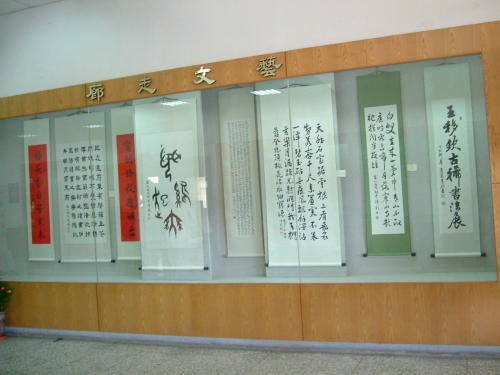
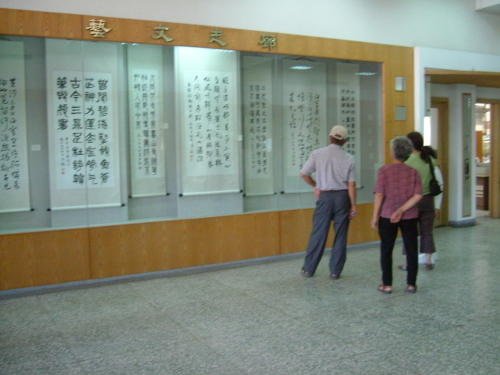
Calligraphy works from many artists are on display at this gallery. As with most original pieces of artwork, they are kept behind glass. This prevents people from touching and damaging while they are being exhibited. One touch may not seem like much, but if everyone gave them a little feel, it would eventually show.

這座畫廊展出許多藝術家的書法作品。和大多數原創藝術品一樣,這些作品都被放在玻璃後面保護著。這是為了防止人們在展覽期間觸摸並損壞作品。一次觸摸看似不算什麼,但如果每個人都摸一下,久而久之終究會顯現出痕跡。

Each of the calligraphy pieces has its own unique style. Some contain only a few large characters while others have many rows of smaller text. The types of paper used and its color can differ as well. While plain white seems the norm, a couple of them have been done on red paper and mounted on a white scroll. But really it is not about the paper. Though how the piece is mounted and the materialsused may add to its overall appeal, the main focus should be on the artistic quality of the text.

每一件書法作品都有自己獨特的風格。有些只有寥寥幾個大字,有些則有好幾行較小的文字。所使用的紙張種類與顏色也各不相同。雖然素白似乎是常態,但也有幾件是用紅紙寫成,再裱在白色捲軸上。不過其實重點並不在紙張本身。雖然作品的裱褙方式與所用材料可能增添整體的吸引力,但真正該關注的重點應該是文字本身的藝術水準。

A small group of visitors has stopped to admire the scrolls. Everyone who sees the works will probably have a different favorite since everyone’s taste and interpretation of what they see differs. Some may like more classical or traditional styles, while others may like ones that stray from convention and push the boundaries of mainstream calligraphy.

一小群訪客停下腳步,欣賞著這些捲軸。每個看到這些作品的人大概都會有不同的偏好,因為每個人的品味與對所見事物的詮釋都不盡相同。有些人可能偏愛較為古典或傳統的風格,也有人可能喜歡跳脫常規、挑戰主流書法界線的作品。

Regardless of whether you have the discriminating eyes of a calligraphy connoisseur or you’re just an average Joe, Chinese calligraphy is worth checking out. It takes years of dedication to develop the skills to become worthy enough to have your work displayed and that alone is something that everyone can appreciate.

不論你是擁有書法鑑賞家般敏銳眼光的人,還是只是個普通人,中國書法都值得一看。要練就足以讓自己的作品公開展出的功力,需要多年的專心致力,光是這一點,就是每個人都能欣賞與肯定的成就。
課文朗讀(真人)

閱讀理解 Questions

How do the curators protect the works of art?

They protect them by keeping them behind glass.

What are some of the differences between the various pieces of calligraphy?

Text sizes, color of paper, and shape of the scrolls are some of the differences.

Although materials may differ, the focus should be on the what?

The focus should be on the artistic quality/merit.

生字及片語 Words & Phrases

calligraphy(n.)書法The museum is holding a special exhibit on Chinese calligraphy this month.這個月博物館正在舉辦一場中國書法特展。exhibit(n.)展示The new exhibit features calligraphy from several famous artists.這個新的展覽展出了幾位知名藝術家的書法作品。gallery(n.)畫廊;美術館Visitors crowded into the small gallery to see the scrolls.遊客擠進這間小畫廊來欣賞這些捲軸。original(adj.)原創性的The original piece is far more valuable than any copy.這件原創作品遠比任何複製品更有價值。artwork(n.)藝術品All of the artwork is kept behind glass to protect it.所有的藝術品都被放在玻璃後面以保護它們。eventually(adv.)最後If too many people touch the paper, it will eventually get damaged.如果太多人觸摸這張紙,最後它終究會受損。unique(adj.)獨特的Each calligrapher has a unique style that sets their work apart.每位書法家都有獨特的風格,讓他們的作品與眾不同。character(n.)漢字Some scrolls contain only a single large character.有些捲軸上只寫了一個大大的漢字。plain(adj.)完全的Most of the scrolls are mounted on plain white paper.大部分的捲軸都裱在樸素的白紙上。norm(n.)常態;標準White paper is the norm, though red paper is sometimes used.白紙是常態,不過偶爾也會使用紅紙。mount(v.)放在…上面The artist chose to mount the red paper on a white scroll.這位藝術家選擇把紅紙裱在白色的捲軸上。scroll(n.)捲軸Each scroll displays a different calligraphy style.每一幅捲軸都展現出不同的書法風格。material(n.)材料The material used to mount a piece can add to its beauty.用來裱褙作品的材料能為它增添美感。overall(adj.)整體的The frame adds to the painting's overall appeal.畫框為這幅畫的整體吸引力增色不少。appeal(n.)吸引力The bold brushstrokes give the piece great appeal.大膽的筆觸讓這件作品極具吸引力。interpretation(n.)詮釋Every viewer has a slightly different interpretation of the same piece.每位觀者對同一件作品都有稍微不同的詮釋。traditional(adj.)傳統的Some visitors prefer more traditional calligraphy styles.有些訪客比較喜歡較為傳統的書法風格。stray(v.)偏離This artist likes to stray from classical technique.這位藝術家喜歡偏離古典的技法。convention(n.)慣例Her bold style breaks away from convention.她大膽的風格打破了傳統慣例。boundary(n.)界線Some artists like to push the boundary of what calligraphy can be.有些藝術家喜歡推展書法可能性的界線。mainstream(adj.)主流的His work is far from mainstream calligraphy.他的作品與主流書法相去甚遠。regardless of(ph.)不管Regardless of your background, you can enjoy this exhibit.不管你的背景如何,你都能享受這場展覽。discriminating(adj.)識別的Only a discriminating eye can spot the finest details in the brushwork.只有具備鑑賞力的眼光才能看出筆法中最細微的細節。connoisseur(n.)鑑賞家A true connoisseur can tell the difference between the two styles at a glance.真正的鑑賞家一眼就能看出這兩種風格的差異。average Joe(ph.)一般人Even an average Joe can appreciate the beauty of this artwork.即使是一般人也能欣賞這件藝術品的美。dedication(n.)專心致力It takes years of dedication to master calligraphy.要精通書法需要多年的專心致力。develop(v.)發展Artists develop their own style through years of practice.藝術家透過多年練習發展出自己的風格。

完整教學音檔

📖 課文教學(中文講解)

小測驗 Quick Check

1. Why are the calligraphy pieces kept behind glass?

2. According to the passage, what should be the main focus when viewing a calligraphy piece, even though the mounting and materials may add appeal?

3. What does the passage suggest about who can appreciate Chinese calligraphy?

*本冊共 10 課。