初級閱讀 · Book 14

Basic Reading — 第14冊

每課:看圖 → 讀文章 → 閱讀理解 → 生字片語 → 小測驗。

1

Unit 1: Sky Lanterns

⬇ PDF
Sky LanternsSky LanternsSky Lanterns

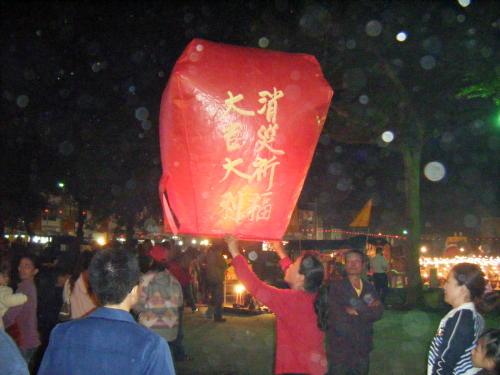
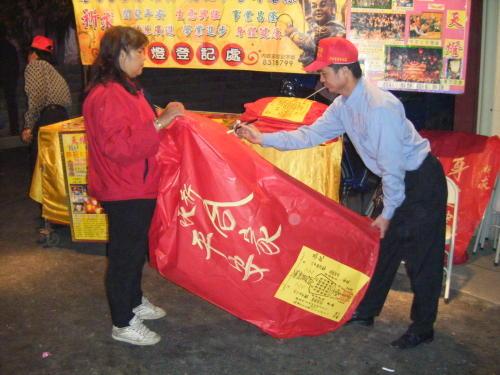
This man is writing a sort of prayer on a sky lantern. He writes things that he hopes will bring health and prosperity to him and his family. To make it easier for him to write the characters, his friend holds the balloon up. He uses white paint to really make the words stand out on the red balloon.

這位男子正在天燈上寫一種祈禱文。他寫下希望能為自己和家人帶來健康與繁榮的話語。為了讓他更容易寫字,他的朋友把氣球扶住。他用白色顏料,好讓這些字在紅色的氣球上顯得格外醒目。

Making sky lanterns is sometimes done on a deity's birthday. It is thought that messages floating high in the sky will be read by the gods. If the deity is pleased, then good luck will be bestowed on the family.

製作天燈有時是在神明生日時進行的。人們認為,在天空中高高飄浮的訊息會被神明看見。如果神明感到高興,就會賜福給這個家庭。

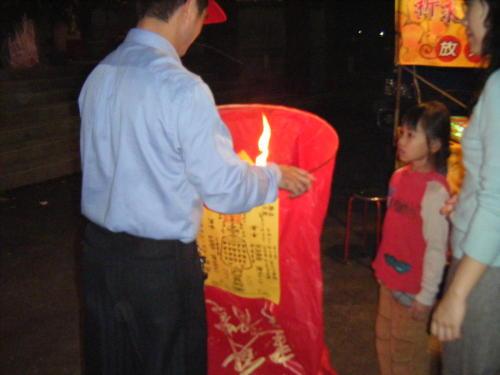
The lanterns are made of very lightweight materials. Candles heat the air inside the balloons to make them rise into the air when released, similar to a hot-air balloon. The higher the balloons rise, the better because they are more likely to be seen by a deity. This also increases the chance of a wish being granted.

天燈是用非常輕的材料製成的。蠟燭會加熱氣球內的空氣,使它們在釋放後升上天空,原理類似熱氣球。天燈升得越高越好,因為這樣更容易被神明看見,也能提高願望實現的機會。

Whether or not you believe in such things, it is still fun to participate. You get to make a cool lantern and watch as it disappears high into the night sky. So the next you hear about an activity like this going on in your community, go out and get involved. You never know…maybe your prayer will be answered.

無論你是否相信這些說法,參與其中仍然很有趣。你可以親手做一盞漂亮的天燈,看著它消失在夜空深處。所以下次當你聽說社區裡有這樣的活動時,不妨出門參與看看。你永遠不知道……也許你的祈禱會得到回應。
課文朗讀

閱讀理解 Questions

What do people write on the sides of sky lanterns?

They write prayers or wishes that will hopefully bring health and prosperity.

Why are lanterns made of lightweight materials?

They are made of lightweight materials so that they will rise into the air when released.

What heats the air inside the lantern?

A candle heats the air inside the lantern.

生字及片語 Words & Phrases

sky lantern(n.)天燈Every year during the festival, people write wishes on a sky lantern and release it into the night.每年節慶期間,人們會在天燈上寫下願望,然後將它釋放到夜空中。prayer(n.)祈禱She whispered a quiet prayer before the exam began.考試開始前,她輕輕地做了一個祈禱。prosperity(n.)繁榮;興旺The new year celebration is meant to bring good luck and prosperity to every family.新年慶祝活動旨在為每個家庭帶來好運與繁榮。character(n.)字;文字He carefully painted each character so that it would be easy to read.他仔細地寫下每一個字,好讓它容易辨讀。stand out(phr.)醒目The white paint made the message really stand out against the red balloon.白色顏料讓這句話在紅色氣球上顯得非常醒目。deity(n.)神明People believe that a deity watches over the village and protects its people.人們相信有一位神明守護著這個村莊,保護村民。bestow(v.)賜予The king decided to bestow a great honor upon the young soldier.國王決定賜予這位年輕士兵一項殊榮。lightweight(adj.)輕量的The tent is made of a lightweight fabric that is easy to carry.這頂帳篷是用輕量的布料製成,很容易攜帶。release(v.)釋放At the end of the ceremony, everyone will release a lantern into the sky.在儀式結束時,每個人都會將一盞天燈釋放到天空中。grant(v.)實現;允許Legend says that the spirit will grant one wish to anyone who is truly sincere.傳說中,那位神靈會為真心誠意的人實現一個願望。balloon(n.)氣球His friend held the balloon steady while he wrote on it.他的朋友把氣球扶穩,讓他可以在上面寫字。float(v.)飄浮The lanterns began to float gently upward into the dark sky.天燈開始緩緩地飄浮升上黑暗的夜空。candle(n.)蠟燭A small candle inside the lantern heats the air and makes it rise.天燈裡的一根小蠟燭會加熱空氣,使它升起。participate(v.)參與Everyone in the town was invited to participate in the lantern festival.鎮上的每個人都被邀請參與這場天燈節。disappear(v.)消失We watched the lantern slowly disappear into the night sky.我們看著天燈慢慢地消失在夜空中。

小測驗 Quick Check

1. When are sky lanterns sometimes made, according to the passage?

2. Why do people want their sky lanterns to rise as high as possible?

3. What does the passage suggest people should do if they hear about a sky lantern activity in their community?
2

Unit 2: Ring toss

⬇ PDF
Ring toss

Ring toss is a popular game at many night markets and fairs in Taiwan. It is a game that is simple enough to play, but difficult to master. Many people at night markets line up just for a chance to win a prize or to challenge a friend to a little competition. The odds of winning some sort cheap prize is pretty good, too.

套圈圈是台灣許多夜市和園遊會中很受歡迎的遊戲。這個遊戲雖然玩起來很簡單,但要精通卻不容易。許多人在夜市裡排隊,只為了有機會贏得獎品,或是找朋友來一場小小的競賽。贏得某種便宜獎品的機率其實還不錯。

To play the game, you first need to pay a small fee and get some rings from the attendant. Once you have the rings, you will need to find a place to stand where it isn’t too crowded—good luck with that—so that you have some room to move your arms and aren’t getting constantly bumped into. Now the object of the game is to toss a ring and get it to land on one of the prizes and stay there. If it does land and stay, you win the prize. If it doesn’t, you can only try again. It is probably best to focus on one target instead of just throwing the rings randomly. You can then hone in on it until you win it or until you run out of money…whatever comes first.

要玩這個遊戲,你首先需要付一小筆費用,向工作人員拿一些圈圈。拿到圈圈之後,你需要找一個不太擁擠的地方站——祝你好運,這可不容易找——這樣你才有足夠的空間揮動手臂,也不會一直被人撞到。這個遊戲的目標是把圈圈丟出去,讓它落在某個獎品上並停留在那裡。如果圈圈落下並停住,你就贏得那個獎品。如果沒有,你就只能再試一次。與其隨機亂丟圈圈,最好還是專注在一個目標上。接著你可以持續鎖定它,直到贏得獎品,或是錢花光為止……看哪一個先發生。

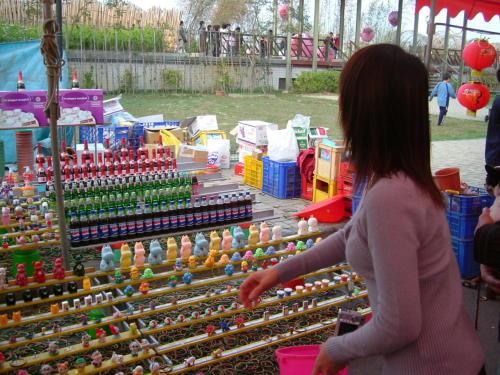
The prizes are set up on boards arranged in a step-like fashion. The prizes that are closest to you on the lower boards are usually little trinkets, toys, key chains or even drinks. The prizes seem to become more and more expensive, and desirable, the further away they become. Usually, the best prizes are way in the back and the odds of winning one are nearly impossible. Though most of the prizes are very cheap—you can probably buy them for about the same price as playing the game or less—it is still fun to play. But whether you win or lose, at least you've had a good time.

獎品被擺放在排成階梯狀的板子上。離你最近、放在較低板子上的獎品通常是一些小飾品、玩具、鑰匙圈,甚至是飲料。獎品似乎會隨著距離越遠而變得越來越貴、越來越令人想要。通常,最好的獎品都放在最後面,而贏得它們的機率幾乎是不可能的。雖然大部分的獎品都很便宜——你可能用差不多玩一次遊戲的價錢,甚至更便宜,就能買到它們——但玩這個遊戲仍然很有趣。不過無論輸贏,至少你都度過了一段開心的時光。
課文朗讀

閱讀理解 Questions

How do you win at ring-toss?

You have to land the ring on a prize and have it stay there.

Where are the more expensive prizes?

They are located way in the back.

Why are the more desirable items further away?

Because it makes them harder to win.

生字及片語 Words & Phrases

ring toss(n.)套圈圈My little brother won a stuffed animal playing ring toss at the night market.我弟弟在夜市玩套圈圈贏了一隻布偶。fair(n.)市集;園遊會We spent the whole afternoon walking around the fair, trying different games and snacks.我們花了一整個下午在園遊會裡逛,嘗試不同的遊戲和小吃。master(v.)精通It took her many tries, but she finally started to master the game of ring toss.她試了很多次,但終於開始精通套圈圈這個遊戲。odds(n.)機率The odds of winning the biggest prize are very low.贏得最大獎品的機率非常低。fee(n.)費用You need to pay a small fee before you can start playing the game.你必須先付一筆小額費用才能開始玩這個遊戲。attendant(n.)工作人員The attendant handed me five rings after I paid for a turn.我付了錢玩一輪之後,工作人員給了我五個圈圈。bump into(phr.)撞到The market was so crowded that I kept trying not to bump into other people.市集非常擁擠,我一直努力不要撞到其他人。object(n.)目標The object of the game is to land a ring on a prize.這個遊戲的目標是把圈圈套到獎品上。randomly(adv.)隨機地Instead of throwing the rings randomly, he chose one target and focused on it.他沒有隨機地亂丟圈圈,而是選定一個目標專心瞄準。trinket(n.)小飾品The cheapest prizes were just small trinkets like key chains and stickers.最便宜的獎品只是像鑰匙圈和貼紙這樣的小飾品。desirable(adj.)令人想要的The most desirable prizes were placed far in the back of the stall.最令人想要的獎品被放在攤位最後面。night market(n.)夜市Ring toss is one of the most popular games you can find at a Taiwanese night market.套圈圈是台灣夜市裡最受歡迎的遊戲之一。competition(n.)比賽;競爭Two friends turned the simple game into a friendly competition to see who could win first.兩個朋友把這個簡單的遊戲變成了一場友善的比賽,看誰能先贏。hone in on(ph.)專注鎖定;瞄準After a few misses, she began to hone in on the prize she really wanted.失手幾次之後,她開始專注鎖定自己真正想要的獎品。arrange(v.)排列;安排The prizes were arranged on boards in a step-like pattern, from cheap to expensive.獎品以階梯狀的方式排列在板子上,從便宜到昂貴。

小測驗 Quick Check

1. According to the passage, what should you do before you start playing ring toss?

2. Why does the passage suggest focusing on one target instead of throwing rings randomly?

3. What does the passage say about the prizes even if you do not win one?
3

Unit 3: Sugarcane

⬇ PDF
SugarcaneSugarcaneSugarcaneSugarcane

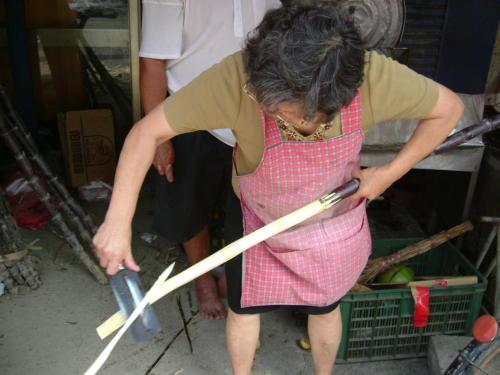
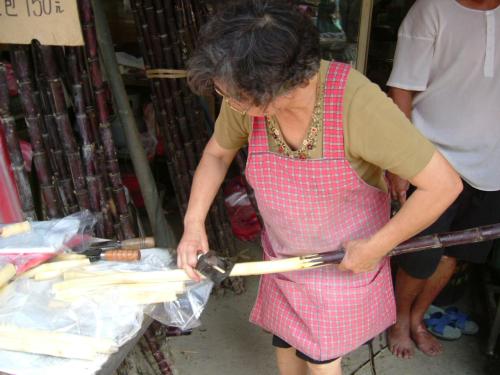
The old lady in this picture is peeling a piece of sugarcane. Holding the sugarcane firmly in her left hand, she uses a peeler to carefully remove the outside layer which is tough and inedible like the bark on a tree. She uses long even strokes to take off only a thin layer so that she doesn’t waste too much of the cane underneath. It is kind of like peeling an apple, as you don’t want to peel off a thick layer or it is just wasteful.

圖片中的老婦人正在削一根甘蔗的皮。她用左手牢牢握住甘蔗,再用削皮器小心地削掉外層那層又硬又不能吃的皮,就像樹皮一樣。她用長而均勻的動作,每次只削掉薄薄的一層,這樣才不會浪費太多裡面的甘蔗肉。這有點像削蘋果一樣,你不會想削掉太厚的一層,不然就太浪費了。

Now she is packaging the sugarcane for sale. She puts one end of the sugarcane into a plastic bag and then cuts it off. By cutting it into sections this way, she can be sure that the pieces aren’t too long. The bags are then tied up and ready to be bought. You can see lots of sugarcane behind her, waiting to be peeled. I wonder how long it will take her to peel and package all of them?

現在她正在把甘蔗包裝起來準備出售。她把甘蔗的一端放進塑膠袋裡,然後把它切斷。用這種方式切成一段一段的,她就能確保每一段都不會太長。袋子綁好之後就可以準備出售了。你可以看到她身後還有很多甘蔗,等著被削皮。不知道要花她多久時間,才能把這些甘蔗全部削完並包裝好呢?

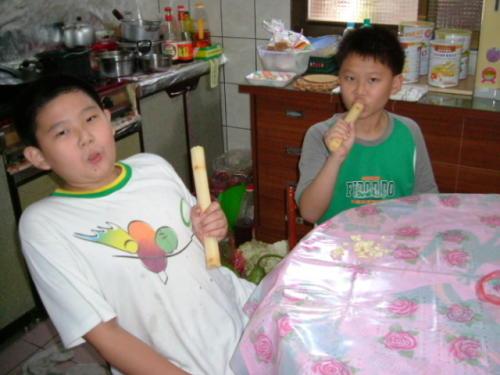
These boys are chewing on sugarcane. They can’t actually eat the sugarcane because it is too fibrous. Instead they only chew it and try to suck out the sweet juice. Then spit out the remaining woody pulp.

這些男孩正在嚼甘蔗。他們其實沒辦法真的把甘蔗吃下去,因為它的纖維太多了。他們只是嚼一嚼,試著把裡面甜甜的汁液吸出來,然後把剩下的木質渣渣吐掉。

If you look closely, you can see some rings around the sugarcane. These parts are particularly tough to chew, so most people just bite them off and discard them.

如果你仔細看,會發現甘蔗上有一些環狀的節。這些部位特別難嚼,所以大多數人都直接把它們咬斷丟棄。

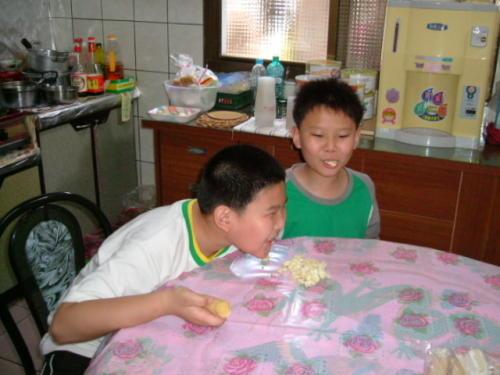
The boys are having fun chewing on the sugarcane and spitting out the pulp on the table. It looks like they are to see who can make the biggest pile of pulp.

男孩們嚼著甘蔗,把渣吐在桌上玩得很開心。看起來他們好像在比賽誰能把甘蔗渣堆得最高。

The boy on the left is leaning over the table, trying to get all the little slivers of pulp out of his mouth. He is laughs while he does this.

左邊的男孩靠在桌子上,努力把嘴裡一絲絲的甘蔗渣弄出來。他一邊這麼做,一邊笑著。

The boy on the right is waiting for his turn to spit out the pulp. He has a spent piece of sugarcane hanging out of his mouth.

右邊的男孩正在等著輪到他吐渣。他嘴裡還叼著一段已經嚼過的甘蔗。
課文朗讀

閱讀理解 Questions

Why does the lady have to peel the sugarcane?

She has to peel it because the outside layer (skin) is inedible.

Why does she cut the pieces of cane into shorter pieces?

She does this so that they will fit in the bag.

Can you really eat sugarcane?

No, it is too fibrous so you can only chew on it and suck out the juice.

生字及片語 Words & Phrases

sugarcane(n.)甘蔗The farmer grows sugarcane on a large field near the river.農夫在河邊的大片田地上種植甘蔗。peel(v.)削皮She uses a small knife to peel the fruit before eating it.她用一把小刀在吃水果前先削皮。firmly(adv.)牢牢地He held the rope firmly so it would not slip out of his hands.他牢牢地抓住繩子,以免它從手中滑落。peeler(n.)削皮器She keeps a sharp peeler in the kitchen drawer for vegetables.她在廚房抽屜裡放了一把鋒利的削皮器來處理蔬菜。inedible(adj.)不能吃的The skin of the durian is hard and completely inedible.榴槤的外殼又硬又完全不能吃。stroke(n.)一劃;一次動作With one smooth stroke of the brush, she painted the whole line.她用畫筆流暢地一劃,就畫出了整條線。package(v.)包裝The workers package the cookies into small boxes for sale.工人們把餅乾包裝進小盒子裡準備出售。section(n.)He cut the bamboo pole into three equal sections.他把竹竿切成三段相等的長度。fibrous(adj.)纖維多的Celery has a fibrous texture that makes it hard to chew completely.芹菜的纖維很多,讓人很難完全嚼爛。pulp(n.)渣;果肉After squeezing the orange juice, she threw away the leftover pulp.榨完柳橙汁後,她把剩下的果渣丟掉了。discard(v.)丟棄Please discard the wrapper in the trash can when you are done.吃完後請把包裝紙丟進垃圾桶。sliver(n.)細小碎片A tiny sliver of wood got stuck under her fingernail.一小片木頭碎片卡進了她的指甲下面。even(adj.)均勻的;平順的She spread the butter in an even layer across the toast.她把奶油均勻地塗抹在吐司上。suck out(ph.)吸出The boy tried to suck out every drop of sweet juice from the cane.男孩試著把甘蔗裡每一滴甜甜的汁液都吸出來。spit out(ph.)吐出He chewed the gum for a while and then decided to spit out it.他嚼了一會兒口香糖,然後決定把它吐出來。

小測驗 Quick Check

1. Why does the old lady peel only a thin layer off the sugarcane?

2. What does the old lady do to the sugarcane before it is ready to be sold?

3. What are the boys doing with the pulp after they chew the sugarcane?
4

Unit 4: A Letter to the Buddh

⬇ PDF
A Letter to the Buddh

Dear Buddha,

親愛的佛祖:

How are you? I am not so good. It is winter. The temperature has dropped almost 20 degrees in the last month. Everyone is bundling up before going outside. Scarves and toques have become a popular fashion accessory for most. Only teenage boys and the foolish dare to go out without a jacket on.

您好嗎?我不太好。現在是冬天。上個月氣溫幾乎下降了二十度。每個人出門前都把自己包得暖暖的。圍巾和毛帽成了大多數人流行的時尚配件。只有青少年男孩和傻子才敢不穿外套出門。

I don't get out much when the weather turns cold like this. I hate winter. Even with a heavy winter coat on, I still get cold so easily. At night I sleep with my clothes on and four blankets so that I don't get a chill. On really cold days I even wear mitts to bed.

天氣像這樣變冷的時候,我不太常出門。我討厭冬天。就算穿著厚重的冬衣,我還是很容易覺得冷。晚上我穿著衣服、蓋四條毯子睡覺,才不會著涼。天氣特別冷的時候,我甚至戴著連指手套睡覺。

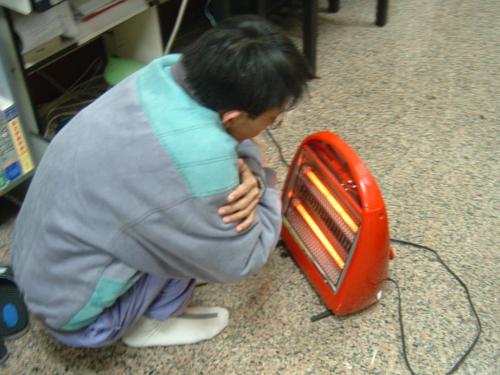
Yesterday was so cold I thought I was going to die. I had the shivers something awful. My teeth chattered together so much that it gave me a headache. I spent the entire day crouched in front of a portable heater. It kept me warm enough to survive, but gave me terrible sunburn from sitting so close to it.

昨天冷到我以為自己快要死了。我抖得非常厲害。牙齒打顫得那麼厲害,害我頭都痛了。我整天蹲在一台可攜式暖爐前面。它讓我暖到足以活下去,但也因為坐得太靠近,讓我曬傷似地嚴重灼傷。

Later that evening, I thought a hot bath might warm me up. I had set the heater on the edge of the tub before getting in. As I got in, I tripped on the cord and fell into the tub. At the same time, the heater fell in with me—electricity plus water equals a new hairdo.

那天晚上稍晚,我想泡個熱水澡也許能讓我暖和起來。我下水前把暖爐放在浴缸邊。就在我要進去的時候,我被電線絆倒,整個人跌進浴缸裡。同一時間,暖爐也跟著我一起掉進水裡——電力加上水,等於一個全新的髮型。

As I write this letter from my hospital bed, I can only hope that you can help me, Buddha. Please turn the earth's thermostat up about 20 degrees or I fear that I might not live long enough to see the flowers of spring. Thank you for any help that you can provide.

在我從病床上寫這封信的此刻,我只能希望您能幫幫我,佛祖。請把地球的恆溫器調高大約二十度,不然我恐怕活不到看見春天的花朵。感謝您所能提供的任何幫助。

Yours truly,

敬上:

Luke

Luke
課文朗讀

閱讀理解 Questions

Who stills goes outside without a jacket?

Teenage boys and the foolish still go outside without a jacket on.

Why doesn’t Luke like the cold?

He doesn’t like it because he gets cold easily.

What did Luke do to try and warm up?

He sat in front of an electric heater to try and warm up.

生字及片語 Words & Phrases

Buddha(n.)佛祖Many people in Asia pray to the Buddha for peace and wisdom.亞洲許多人向佛祖祈求平安與智慧。bundle up(phr.)穿得暖和You should bundle up before you go outside in this cold weather.這麼冷的天氣,你出門前應該穿得暖和一點。toque(n.)毛帽She pulled on a warm toque before walking to school in the snow.她戴上一頂溫暖的毛帽,才在雪中走去學校。fashion accessory(n.)時尚配件A colorful scarf can be a great fashion accessory in winter.一條色彩鮮豔的圍巾在冬天可以是很棒的時尚配件。dare(v.)Nobody would dare to go outside without a coat in such freezing weather.在這麼寒冷的天氣裡,沒有人敢不穿外套出門。chill(n.)寒意She wrapped a blanket around herself to keep out the chill.她用毯子裹住自己,以抵擋寒意。mitt(n.)連指手套He wore a thick mitt on each hand to protect against the cold.他兩隻手都戴上厚厚的連指手套以抵禦寒冷。shivers(n.)發抖The icy wind gave her the shivers as she waited for the bus.刺骨的寒風讓她在等公車時發抖。chatter(v.)牙齒打顫His teeth began to chatter the moment he stepped into the icy water.他一踏進冰冷的水裡,牙齒就開始打顫。crouch(v.)蹲伏The cat began to crouch low before jumping onto the table.那隻貓在跳上桌子之前先蹲伏下來。portable heater(n.)可攜式暖爐We plugged in a small portable heater to warm up the bedroom.我們插上一台小型可攜式暖爐來讓臥室暖和起來。thermostat(n.)恆溫器He turned up the thermostat because the house felt too cold.他把恆溫器的溫度調高,因為屋裡感覺太冷了。sunburn(n.)曬傷Sitting so close to the heater gave him a painful sunburn-like redness on his skin.坐得離暖爐這麼近,讓他的皮膚出現了像曬傷一樣的痛紅。electricity(n.)電力Mixing electricity with water can be extremely dangerous.把電力和水混在一起可能非常危險。hairdo(n.)髮型She got a brand new hairdo before the wedding.她在婚禮前換了一個全新的髮型。

小測驗 Quick Check

1. Why does Luke wear mitts to bed on very cold days?

2. What happened while Luke was trying to warm up in the bath?

3. What is Luke asking the Buddha to do?
5

Unit 5: A Funny Story about Chopstics

⬇ PDF
A Funny Story about ChopsticsA Funny Story about Chopstics

It was my first day in Taiwan. My stomach was making grumbling sounds as I walked down the street. I was so hungry that I would've eaten anything, but I couldn’t find anything that looked like a restaurant to me. Everything was so different. What would I do?

那是我在台灣的第一天。我走在街上,肚子咕嚕咕嚕地叫個不停。我餓得幾乎什麼都願意吃,但卻找不到任何看起來像餐廳的地方。一切都如此陌生。我該怎麼辦呢?

A man saw me holding my stomach and walking around like I was lost. He stopped me and asked if there was a problem. I was so happy that he spoke English that I didn't respond for a minute. I could only shake his hand and thank him for stopping.

一個男人看見我摀著肚子、像迷路了一樣四處走動。他叫住我,問我是不是遇到了什麼問題。我對他會說英文感到非常高興,一時之間竟答不上話。我只能握住他的手,向他道謝。

I told him that I was from another country and didn't know where or what to eat. He pointed to a street down the road and told me that I would find many places to eat there. Then on a scrap of paper that he pulled from his pocket, he scribbled a couple of Chinese characters and handed it to me. Just show this to the cook he told me and I would be fine. I repeatedly thanked him and then moved along.

我告訴他,我來自另一個國家,不知道該去哪裡吃、該吃什麼。他指向路那頭的一條街,告訴我在那裡會找到很多可以吃飯的地方。接著,他從口袋裡掏出一張紙片,潦草地寫了幾個中文字,遞給了我。他告訴我,只要把這個拿給廚師看就行了。我一再向他道謝,然後便繼續前行。

On the street he had pointed out to me were many places to eat, just like he said there would be. I wasn't in a mood to be picky and sat down at the first one I found.

在他指給我看的那條街上,果然如他所說,有許多可以吃飯的地方。我當時沒心情挑剔,就在第一家看到的店坐了下來。

A lady wearing an apron approached me and said something that I didn't understand. I smiled shyly and handed her the paper. She read it and nodded. Disappearing into the back I could only hope that she was going to return with some food.

一位穿著圍裙的女士走近我,說了些我聽不懂的話。我害羞地笑了笑,把那張紙遞給她。她看了看,點了點頭。她消失在後廚,我只能希望她會端著食物回來。

While I waited, I looked around. There were some foreign condiments, napkins and a container of chopsticks on the table. I had always liked using chopsticks, but I had never actually used them in a country where they were the norm.

等待的時候,我環顧四周。桌上擺著一些異國風味的調味料、餐巾紙,還有一罐筷子。我一直很喜歡用筷子,但從沒在一個把筷子當作日常習慣的國家真正使用過。

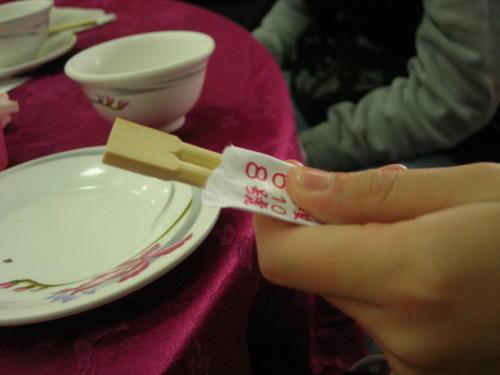
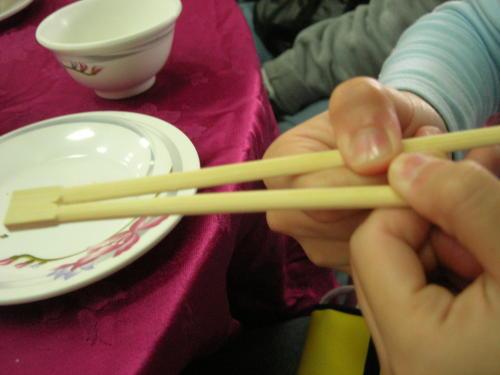
I took a set of chopsticks out of the container and removed the paper covering. The chopsticks were stuck together and I thought they were defective. I set them on the table and took out another set. How odd, they were stuck together too, as was the next pair, and the next, and the next. I emptied the entire container, but there wasn't a good pair in the lot, so I moved to the next table. Again, they were all deformed, so I moved to another table. I couldn’t find a good pair in the entire place. I laughed to myself; they must be made in Taiwan.

我從罐子裡拿出一雙筷子,撕掉外面包著的紙套。這雙筷子黏在一起,我以為它們是有缺陷的。我把它們放在桌上,又拿出另一雙。真奇怪,這雙也黏在一起,下一雙也是,再下一雙也是。我把整罐筷子都拿出來檢查了一遍,卻找不到一雙是好的,於是我換到了下一桌。結果那邊的筷子也全都是變形的,我又換到另一桌。整間店裡我都找不到一雙好用的筷子。我暗自笑了起來,心想這些筷子一定是台灣製造的。

The lady finally returned from the kitchen and walked toward my table. She suddenly stopped and with wide eyes looked around. The happy face she had worn now turned to a frown and she began to yell. I looked behind me to see who she was yelling at, but there was no one there. People here sure are strange, I thought.

那位女士終於從廚房回來,朝我的桌子走來。她突然停下腳步,睜大了眼睛四處張望。她原本開心的表情,這時轉為皺眉,接著她開始大喊。我回頭看她是在對誰喊,但身後根本沒有人。我心想,這裡的人還真奇怪。

As she continued to yell it became apparent that it was directed at me, but why? Then she stopped directly across from me and picked up one of the pairs of useless chopsticks. Grasping each of the connected sticks from the bottom, she pulled. With a snap they separated and she handed them to me.

她持續喊著,漸漸地很明顯是在對我喊,但為什麼呢?接著她直接走到我對面停下,拿起了一雙沒用的筷子。她從底部緊緊抓住那對黏在一起的筷子,用力一拉。啪的一聲,筷子分開了,她把它們遞給了我。

My face must have been pretty red when I realized what I had done. What an idiot, I thought. When I left I made sure to leave a huge tip that I hoped would cover the cost of the wasted chopsticks. If it didn't, at least she would have a good story to tell her friends. And I had learned my first lesson about eating out.

當我意識到自己做了什麼時,臉一定漲得通紅。我心想,我真是個白癡。離開時,我特意留下了一大筆小費,希望能彌補那些被我弄壞的筷子的損失。就算不夠,至少她也有個有趣的故事可以講給朋友聽了。而我,也學到了在外用餐的第一堂課。
課文朗讀

閱讀理解 Questions

Why was the author’s stomach making grumbling sounds?

It was making grumbling sounds because he was hungry.

What did the man on the street do for the author?

He told him where to find some restaurants and wrote something on a piece of paper for the author to give to the waitress.

What did the author think was wrong with the chopsticks?

He thought they were all defective because they were connected on the end.

生字及片語 Words & Phrases

grumbling(adj.)咕嚕作響的My stomach was grumbling because I had not eaten anything since breakfast.我的肚子咕嚕作響,因為我從早餐後就什麼都沒吃。respond(v.)回應She was too surprised to respond to his question right away.她太驚訝了,沒能立刻回應他的問題。scrap of paper(n.)紙片He wrote his phone number on a scrap of paper and gave it to me.他把電話號碼寫在一張紙片上遞給我。scribble(v.)潦草地寫She quickly scribbled a note before rushing out the door.她在衝出門前潦草地寫了張紙條。picky(adj.)挑剔的He is so picky about food that he refuses to try anything new.他對食物很挑剔,不肯嘗試任何新東西。apron(n.)圍裙The chef tied on his apron before starting to cook.廚師開始烹飪前先繫上了圍裙。condiment(n.)調味料Soy sauce is a common condiment in Taiwanese restaurants.醬油是台灣餐廳常見的調味料。chopsticks(n.)筷子It took me a while to learn how to eat with chopsticks.我花了一段時間才學會用筷子吃飯。defective(adj.)有缺陷的The store replaced the defective product free of charge.店家免費更換了那個有缺陷的產品。deformed(adj.)變形的The tree grew in a strange, deformed shape because of the wind.那棵樹因為風的關係長成了奇怪的變形形狀。frown(n.)皺眉A frown appeared on her face when she heard the bad news.聽到壞消息時,她臉上露出了皺眉的表情。tip(n.)小費We left a generous tip for the waiter who served us so well.我們給了服務得很好的服務生一筆豐厚的小費。norm(n.)常態;慣例Using chopsticks is the norm in many Asian countries.在許多亞洲國家,使用筷子是常態。apparent(adj.)明顯的It soon became apparent that she was yelling at me, not someone else.很快就很明顯,她是在對我大喊,而不是對別人。grasp(v.)抓住She reached out to grasp the sticks firmly before pulling them apart.她伸手緊緊抓住筷子,然後把它們分開。

小測驗 Quick Check

1. Why did the author have trouble ordering food at first?

2. What did the man on the street write on the scrap of paper?

3. Why did the lady at the restaurant start yelling and looking upset?
6

Unit 6: Washing the Car

⬇ PDF
Washing the Car

"Why do I always have to wash the car?" I screamed.

「為什麼每次都要我洗車?」我尖叫著問。

"Because you do such a good job," my father replied, as he sat at his desk fumbling through papers.

「因為妳做得很好啊,」我爸爸一邊坐在書桌前翻找文件,一邊回答。

"Billy never has to do anything," I whined. "It's just not fair."

「比利什麼事都不用做,」我抱怨道。「這根本不公平。」

"Life isn't fair, Jill," he calmly stated. "And the sooner you learn that, the sooner my car will get washed."

「人生本來就不公平,吉兒,」他平靜地說。「妳越早明白這一點,我的車就能越早洗好。」

Out to the garage I stomped thinking about how badly he treats me sometimes. Maybe he isn't my real father, I thought.

我氣呼呼地跺著腳走向車庫,心想他有時候對我實在太差了。也許他根本不是我親生爸爸,我心裡想著。

I took a bucket off the shelf and filled it with water and a little soap.

我從架子上拿下一個水桶,裝了水,加了一點肥皂。

"Where is the darned sponge?" I shouted out loud thinking that I was by myself.

「那該死的海綿到底在哪裡?」我大聲喊道,以為只有自己一個人在。

"Next to the toolbox," a voice answered.

「在工具箱旁邊,」一個聲音回答我。

Surprised, I turned to see who had answered me. It was my older brother, Billy.

我嚇了一跳,轉身看是誰回答我的。原來是我哥哥,比利。

I spun back around and found the sponge, right where he said it was.

我又轉了回去,果然在他說的地方找到了海綿。

"Why don't you take a hike, Billy?" I rudely asked hoping that he would just leave me alone.

「你為什麼不走開呢,比利?」我沒禮貌地問道,希望他能就這樣離開,別煩我。

"What's your problem? Who peed in your cornflakes?" he asked while his smile disappeared.

「妳是怎麼了?誰惹妳不高興了?」他問道,臉上的笑容也隨之消失。

"I don't get it. Why doesn't that old fart ever ask you to do anything?" I asked looking for sympathy.

「我就是不懂。為什麼那個老頭從來不叫你做任何事?」我問道,希望能得到一些同情。

"Are you nuts?" he snapped. "He never lets me have a second to myself. He always has me running some stupid errand."

「妳瘋了嗎?」他厲聲說道。「他從來不讓我有一刻屬於自己的時間。他老是叫我去跑一些無聊的差事。」

My question seemed to have hit a nerve with him.

我的問題似乎觸到了他的痛處。

"Who do you think takes out the garbage?” he continued. “Who do you think sweeps the garage? Who do you think mows the lawn? Who do you think does just about everything around this stinking place?"

「妳以為是誰在倒垃圾?」他接著說。「妳以為是誰在打掃車庫?妳以為是誰在割草?妳以為這個討厭的地方大部分的事都是誰做的?」

"Ok. Ok. Take a deep breath and calm down," I said trying to cool him off, but it wasn't working.

「好啦,好啦,深呼吸,冷靜下來,」我說,試著讓他冷靜下來,但一點用也沒有。

His face grew more and more red. I could feel he was about to blow his top. Now I wished that I had kept my mouth shut.

他的臉越來越紅。我能感覺到他快要爆發了。這時我真希望自己剛才閉嘴就好。

"Listen, you poor spoiled little brat!" he yelled while shaking his finger at me in obvious anger. "If you ever want to change all my jobs for your once-a-week car washing, you just let me know. Until then, you better wake up and realize just how easy you have it around here!"

「聽好了,妳這個被寵壞的可憐小屁孩!」他吼道,一邊生氣地朝我搖著手指。「如果妳想拿妳每週一次的洗車工作,來換我所有的工作,儘管跟我說一聲。在那之前,妳最好清醒一點,搞清楚自己在這個家裡過得有多輕鬆!」

And then he was gone.

然後他就走了。

"See ya, wouldn't wanna be ya," I whispered as he left.

「再見啦,才不想當妳呢,」他離開時我小聲嘀咕著。

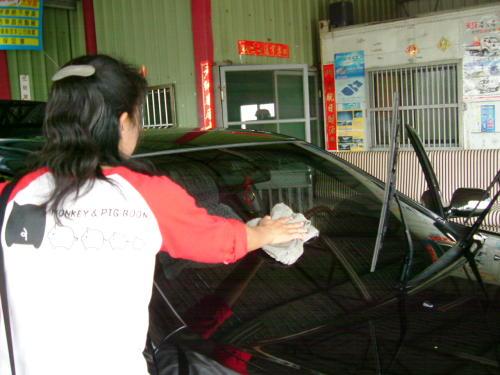
I picked up my bucket and sponge and slowly began wiping the windshield of the car. I also thanked God that Psycho Boy was gone. Maybe washing the car once a week wasn’t so bad after all.

我拿起水桶和海綿,慢慢開始擦拭車子的擋風玻璃。我也感謝上天,那個瘋子哥哥終於走了。也許每週洗一次車,其實也沒有那麼糟。
課文朗讀

閱讀理解 Questions

Why was Jill upset?

She was upset because she thought she had to do everything around the house and her brother didn’t have to do anything.

What made Billy snap?

He snapped when Jill asked why he was never asked to do anything.

Who actually did more chores around the house?

Billy actually did more of the chores around the house.

生字及片語 Words & Phrases

scream(v.)尖叫She let out a loud scream when she saw the spider on the wall.當她看到牆上的蜘蛛時,她大聲尖叫了起來。fumble(v.)摸索;翻找He began to fumble through his bag, looking for his keys.他開始在包包裡翻找,想找出鑰匙。whine(v.)抱怨The little boy started to whine because he wanted more candy.那個小男孩開始抱怨,因為他還想要更多糖果。garage(n.)車庫We keep the bikes and tools in the garage.我們把腳踏車和工具放在車庫裡。stomp(v.)重重地走Angry and upset, she began to stomp out of the room.她既生氣又難過,重重地跺著腳走出房間。bucket(n.)水桶He filled the bucket with soapy water to wash the car.他把水桶裝滿肥皂水,準備洗車。sponge(n.)海綿She used a soft sponge to wipe down the windshield.她用一塊柔軟的海綿擦拭擋風玻璃。toolbox(n.)工具箱The wrench is sitting right next to the toolbox.扳手就放在工具箱旁邊。take a hike(phr.)走開She was so annoyed that she told her brother to take a hike.她非常生氣,叫她哥哥走開別煩她。sympathy(n.)同情She looked at her friend with sympathy after hearing the sad news.聽到這個壞消息後,她用同情的眼神看著朋友。errand(n.)跑腿差事My father asked me to run an errand for him at the store.我爸爸要我去店裡幫他跑一趟腿。hit a nerve(phr.)觸到痛處Her comment about his grades really seemed to hit a nerve.她關於他成績的評論似乎真的觸到了他的痛處。spoiled(adj.)被寵壞的The spoiled child cried until his parents bought him a new toy.那個被寵壞的孩子一直哭,直到父母買了新玩具給他。windshield(n.)擋風玻璃Rain began to fall heavily on the car's windshield.雨開始猛烈地落在車子的擋風玻璃上。brat(n.)被寵壞、無禮的小孩Stop acting like a spoiled brat and help clean up the mess.別再像個被寵壞的孩子一樣,快來幫忙收拾這個爛攤子。

小測驗 Quick Check

1. Why did Jill go to the garage at the beginning of the story?

2. What did Billy reveal about his own chores when he snapped at Jill?

3. How did Jill's feelings about washing the car change by the end of the story?
7

Unit 7: My Zipper is STUCK!

⬇ PDF
My Zipper is STUCK!

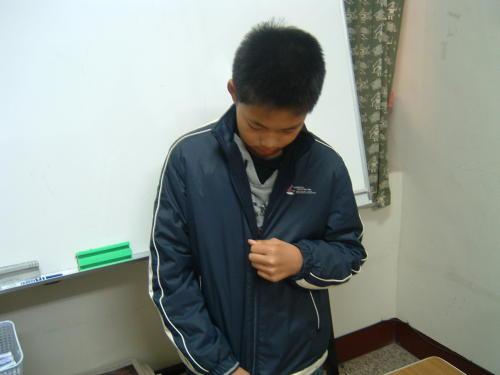
It's a cool winter day outside, but still the classroom is quite warm. Brett sits in his classroom with his winter coat zipped all the way to the top. His teacher, Mr. White, enters the room, glances at him and then continues on to his desk. Halfway there, he stops dead in his tracks, raises a brow and turns back to look at Brett who now has sweat dripping off the end of his nose.

外面是個涼爽的冬日,教室裡卻相當溫暖。布雷特坐在教室裡,冬天外套的拉鍊一路拉到最頂端。他的老師懷特先生走進教室,瞥了他一眼,接著繼續走向自己的桌子。走到一半,他突然停下腳步,挑起眉毛,回頭看向布雷特——布雷特此時鼻尖正滴著汗珠。

"Is everything okay?" Brett’s teacher asks.

「一切都還好嗎?」布雷特的老師問道。

Brett, not wanting to make a scene, replies, "Sure, never better."

布雷特不想引人注意,回答說:「當然,好得不能再好了。」

"Do you have the flu or something?" his teacher curiously inquires.

「你是得了流感還是怎麼了?」老師好奇地追問。

"Nope," he exclaims. "I’m as healthy as a horse."

「沒有,」他大聲說。「我健康得跟馬一樣。」

Unsatisfied, Mr. White goes to his desk, sits down and proceeds to organize the papers on his desk. He stops abruptly, takes a deep breath and looks up at Brett again. His curiosity has got the best of him.

懷特先生並不滿意這個答案,他走回自己的桌子坐下,開始整理桌上的文件。他忽然停下動作,深吸一口氣,又抬頭看向布雷特。他的好奇心終於佔了上風。

"Okay. Okay. What’s up with the jacket?" Mr. White asks.

「好吧,好吧。你的外套到底是怎麼回事?」懷特先生問道。

"If you really must know, I zipped up my jacket too far and the zipper got stuck," Brett replies reluctantly.

「如果你真的想知道,我把外套拉鍊拉得太高,結果拉鍊卡住了,」布雷特不情願地回答。

Mr. White walks over to see if he can be of assistance. He gives the zipper a little tug and miraculously it easily unzips.

懷特先生走過去看看能不能幫上忙。他輕輕一拉拉鍊,拉鍊竟奇蹟般地輕鬆解開了。

"That wasn’t so difficult." Mr. White chuckles and then the whole class bursts into laughter.

「這也沒什麼難的嘛。」懷特先生笑了笑,接著全班同學都爆出笑聲。

"My god, I have been trying to get this stupid thing off for an hour!" Brett, now half embarrassed and half relieved, shouts. He quickly rips off his jacket and throws it on his desk, revealing a sweat-covered shirt underneath. Then they sweaty boy sighs deeply, "Ahh! That is so much better."

「天啊,我已經想辦法脫掉這討厭的東西一個小時了!」布雷特喊道,此時他既尷尬又鬆了一口氣。他迅速脫下外套,甩到桌上,露出裡面滿是汗水的襯衫。接著這個滿身是汗的男孩深深嘆了口氣:「啊!這樣舒服多了。」

The laughter eventually dies down and the class begins. Maybe next time Brett will not be so reluctant to ask for help when he needs it.

笑聲漸漸平息,課堂開始上課。也許下次布雷特遇到需要幫助時,就不會這麼不情願開口求助了。
課文朗讀

閱讀理解 Questions

Why is Mr. White curious about Brett?

He is curious because it is warm in the classroom and yet Brett is wearing his jacket zipped all the way to the top.

Why is Brett’s zipper done up?

It is done up because he zipped it up too far and it got stuck.

How did Mr. White help Brett?

He helped by unzipping Brett’s jacket for him.

生字及片語 Words & Phrases

zipper(n.)拉鍊The zipper on his jacket was stuck at the top.他外套上的拉鍊卡在最上面。zip up(phr.)拉上拉鍊He decided to zip up his coat because the wind was cold.因為風很冷,他決定把外套的拉鍊拉上。glance(v.)瞥一眼Mr. White will glance at Brett before walking to his desk.懷特老師會先瞥一眼布雷特,再走向自己的桌子。stop dead in one’s tracks(phr.)突然停住He will stop dead in one’s tracks when he notices something strange.當他注意到奇怪的地方時,他會突然停下腳步。raise a brow(phr.)挑眉The teacher will raise a brow in surprise at the odd sight.老師會對這奇怪的景象驚訝地挑起眉毛。drip(v.)滴下Sweat began to drip from the end of his nose.汗水開始從他的鼻尖滴下來。make a scene(phr.)大吵大鬧;引人注意Brett did not want to make a scene in front of his classmates.布雷特不想在同學面前引人注意。flu(n.)流感The teacher wondered if Brett had caught the flu.老師想知道布雷特是不是得了流感。healthy as a horse(phr.)非常健康Brett insisted that he was as healthy as a horse.布雷特堅稱自己非常健康。reluctantly(adv.)不情願地Brett reluctantly admitted that his zipper was stuck.布雷特不情願地承認他的拉鍊卡住了。tug(n.)拉扯With one gentle tug, the teacher freed the zipper.老師輕輕一拉,就把拉鍊解開了。miraculously(adv.)奇蹟般地The stuck zipper miraculously came undone with a small tug.卡住的拉鍊在輕輕一拉之下奇蹟般地解開了。relieved(adj.)鬆了一口氣的Brett felt relieved once his jacket was finally off.外套終於脫下後,布雷特感到鬆了一口氣。abruptly(adv.)突然地Mr. White stopped abruptly and turned to look at Brett again.懷特老師突然停下來,再次轉頭看向布雷特。burst into laughter(ph.)突然大笑起來The whole class began to burst into laughter after hearing the joke.聽到這個笑話後,全班同學都突然大笑了起來。

小測驗 Quick Check

1. What does Brett do when his jacket finally comes off?

2. How does the class react when Mr. White easily unzips the jacket?

3. What lesson might Brett learn by the end of the story?
8

Unit 8: Putting Things Off

⬇ PDF
Putting Things Off

It is Sunday in the Liu household and that means it’s time to clean the house. Every Sunday, Randy's mother gives each of her children a couple of chores to do. But once the chores are finished, the children are allowed to do whatever they want.

今天是星期天,在劉家,這代表該打掃房子了。每個星期天,藍迪的媽媽都會分配給每個孩子幾件家事要做。不過只要家事做完,孩子們就可以自由做他們想做的事。

Paula, Randy’s oldest sister, has been assigned to do the laundry. She doesn't mind the job at all. The job is quite simple. She just has to gather the dirty laundry from all the bedrooms, sort it into piles (darks, colors, whites, etc.) and then load the washing machine. While she is waiting for the clothes to wash, she folds the clean laundry that was washed on Saturday. It is not a difficult job and she happily goes about her work. Within an hour, Paula is finished and can leave the house to play with her friends.

寶拉是藍迪最大的姊姊,她被分配要洗衣服。她一點也不介意這項工作。這件事很簡單,她只需要把所有房間的髒衣物收集起來,依照深色、彩色、白色等分類,然後裝進洗衣機就好。等衣服在洗的時候,她會把星期六洗好的乾淨衣物摺好。這不是件困難的工作,所以她開心地做著。不到一個小時,寶拉就做完了,可以出門去找朋友玩了。

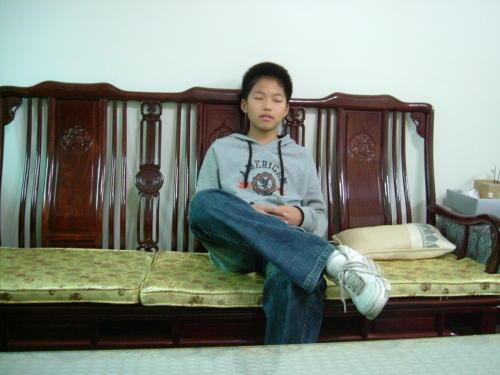
Meanwhile, Randy has found a comfortable bench to sit on. His job is easy, too. He only has to take out the garbage, but it can wait. He wants to relax for a while long before he starts.

同一時間,藍迪找到了一張舒服的長椅坐下。他的工作也很簡單,他只需要把垃圾拿出去倒,但這件事可以晚點再做。他想先放鬆一下,再開始動手。

In the kitchen, Rhonda, his younger sister, is doing the dishes. Her job is dirty and not so much fun, but she knows the faster she works, the faster she can go outside. She makes the job even easier by listening to her MP3 player and singing along to it. Within half an hour, she, too, is finished.

在廚房裡,藍迪的妹妹朗達正在洗碗。她的工作又髒又沒什麼樂趣,但她知道自己做得越快,就能越快出去玩。她一邊聽著 MP3 音樂,一邊跟著唱歌,讓這件事變得更輕鬆。不到半小時,她也做完了。

An hour after his sisters have finished and left the house, Randy is still sitting on the bench. He has his legs crossed and he's twiddling his thumbs in a daze. He hates taking out the garbage and doesn't want to, but he knows he can't leave until it is done. Just a minute more and I'll do it, he thinks.

姊妹倆做完家事離開家一個小時後,藍迪還坐在長椅上。他翹著二郎腿,發著呆,無所事事地轉著大拇指。他討厭倒垃圾,也不想去做,但他知道不做完就不能離開。他心想,再等一分鐘我就去做。

Three hours later, Randy wakes with someone tapping him on the shoulder. It's his mother and she asks if he is finished, yet. Randy shakes his head no and stands to finally go and take out the trash.

三個小時後,藍迪被人輕拍肩膀而醒來。是他媽媽,她問他做完了沒。藍迪搖搖頭說沒有,然後站起來,終於要去倒垃圾了。

After about 4 hours of putting it off and another hour of reluctantly doing his chores, he is finally finished. Now he can go to the park and play basketball with his friends… if they are still there.

在拖延了大約四個小時、又心不甘情不願地花了一個小時做完家事後,他總算做完了。現在他可以去公園跟朋友打籃球了……如果他們還在那裡的話。

On his way out the door, he runs into his younger sister. She tells him that she had garbage duty last week and it only took her 20 minutes. She tries to make him understand that he would have more time for fun if he wouldn’t put off his chores for so long But Randy doesn’t listen. He just ignores her and continues on out the door.

在他出門的路上,他遇到了妹妹。她告訴他,她上星期負責倒垃圾,只花了二十分鐘就做完了。她試著讓他明白,如果他不把家事拖那麼久,就會有更多時間可以玩樂。但藍迪根本沒在聽,他只是不理她,逕自走出門去。

Now the day is almost gone and it is already starting to get dark. When Randy finally gets to the park, he finds that his friends have already left. He is very disappointed. Maybe next time I should do my chores faster, he thinks.

現在這一天幾乎要過完了,天色也開始暗了下來。當藍迪終於到達公園時,他發現朋友們已經離開了。他非常失望。他心想,或許下次我應該更快做完家事。
課文朗讀

閱讀理解 Questions

What do the kids have to do every Sunday before they can play?

They have to do their chores first.

Whose job is the easiest? Why?

Randy’s job is the easiest because he only has to take out the garbage.

Does Randy get to play basketball with his friends? Why or why not?

He doesn’t get to because they have already left by the time he finally gets to the park.

生字及片語 Words & Phrases

put off(phr.)拖延Randy likes to put off his chores until the very last minute.藍迪總喜歡把家事拖到最後一刻才做。household(n.)家庭Every member of the household has a chore to do on Sunday.這個家庭的每個成員星期天都有一項家事要做。chore(n.)家事Randy's mother gives each child a couple of chores every week.藍迪的媽媽每星期都會給每個孩子幾件家事。laundry(n.)洗衣物Paula has to gather all the dirty laundry from the bedrooms.寶拉必須把所有房間裡的髒衣物收集起來。sort(v.)分類She needs to sort the clothes into darks, colors, and whites.她必須把衣物分成深色、彩色和白色。load(v.)裝入After sorting the clothes, she has to load the washing machine.把衣服分類後,她必須把它們裝進洗衣機。washing machine(n.)洗衣機The washing machine hums quietly as it cleans the clothes.洗衣機安靜地嗡嗡作響,清洗著衣服。take out the garbage(phr.)倒垃圾Randy's only job is to take out the garbage, but he keeps delaying it.藍迪唯一的工作就是倒垃圾,但他一直拖延不做。twiddle one’s thumbs(phr.)無所事事Randy sits on the bench and twiddles his thumbs instead of working.藍迪坐在長椅上無所事事,而不是去做事。in a daze(phr.)發呆He sits in a daze, thinking he still has plenty of time.他發呆地坐著,以為自己還有很多時間。reluctantly(adv.)不情願地Randy reluctantly gets up to do his chore after his mother wakes him.藍迪被媽媽叫醒後,不情願地起身去做家事。disappointed(adj.)失望的Randy feels very disappointed when his friends are not at the park.當藍迪發現朋友不在公園時,他感到非常失望。assign(v.)分配(工作)Paula was assigned to do the laundry every Sunday.寶拉每個星期天都被分配去洗衣服。comfortable(adj.)舒適的Randy found a comfortable bench and decided to rest on it.藍迪找到一張舒適的長椅,決定在上面休息。tap(v.)輕拍Randy's mother had to tap him on the shoulder to wake him up.藍迪的媽媽必須輕拍他的肩膀才能叫醒他。

小測驗 Quick Check

1. Why does Paula finish her chore so quickly and easily?

2. How does Rhonda make her dishwashing chore easier?

3. What is the main reason Randy misses playing basketball with his friends?
9

Unit 9: A Bunun Carving

⬇ PDF
A Bunun Carving

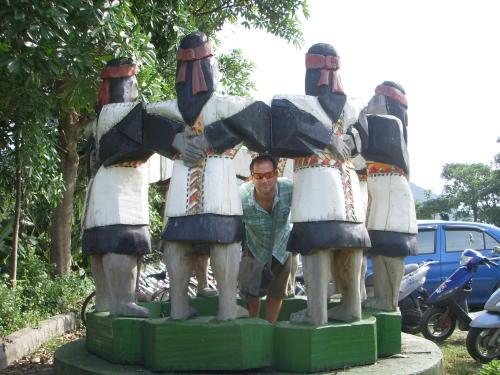
The massive wooden carving shown above was made by a Bunun artist. It is of several Bunun men standing in a circle with their arms interlocked—kind of like a big group hug. This pose is a typical one and is often seen in all kinds of Bunun art.

上面這幅巨大的木雕出自一位布農族藝術家之手。作品描繪的是幾位布農族男子手臂互相扣住、圍成一圈站立,有點像是一場盛大的團體擁抱。這個姿勢是很典型的,經常出現在各種布農族藝術作品當中。

All the men are depicted in traditional clothing that is mostly white and black with a wide patterned strip wrapping around their wastes and down their backs. They also don headbands made of long scarf-like cloths that they tie in the back. But no shoes or socks for these guys; barefoot was the way to go back then (and still is for some).

畫中所有的男子都穿著傳統服飾,主要是白色和黑色,腰間繫著一條寬版的圖案布條,並一路延伸到背後。他們也戴著用長條、像圍巾一樣的布料製成的頭帶,在後腦勺打結固定。但這些男子都沒有穿鞋襪;在當時,赤腳才是常態(現在有些人仍是如此)。

I think this sculpture really shows how closely bonded the Bunun people must’ve been and perhaps still are. Their sense of community is great and this piece definitely represents the unity that they have. Maybe we should all learn from them and have a big group hug with our neighbors once in a while. It might not solve all our differences, but it may unite some of us at least.

我認為這件雕塑作品充分展現了布農族人彼此之間必定曾經、也或許至今仍然十分緊密的情誼。他們的社群意識非常強烈,這件作品確實代表了他們所擁有的那種團結。也許我們都該向他們學習,偶爾和鄰居來一場盛大的團體擁抱。這或許無法解決我們之間所有的分歧,但至少可能讓我們當中一些人的心更加靠近。
課文朗讀

閱讀理解 Questions

What is this carving made from?

It is made from wood.

In what shape do the men stand in?

They stand in a circle.

Why is this pose “typical”?

It is typical because it is often seen in Bunun art.

What kind of clothes are they wearing?

They are wearing traditional Bunun clothes.

Why should we have a big group hug with our neighbors?

We should do this to improve our relationships with them and maybe develop a bond.

生字及片語 Words & Phrases

Bunun(n.)布農族The Bunun people are known for their beautiful eight-part harmony singing.布農族以優美的八部合音聞名。carving(n.)雕刻作品The wooden carving on the wall showed three men holding hands.牆上的木雕呈現出三個人手牽著手的樣子。massive(adj.)巨大的A massive stone stood at the entrance of the village.一塊巨大的石頭矗立在村莊入口。interlocked(adj.)互相扣住的The dancers stood with their arms interlocked as they moved in a circle.舞者們手臂互相扣住,圍成一圈移動。pose(n.)姿勢The statue captured a graceful pose that seemed almost alive.這座雕像捕捉了一個優雅的姿勢,看起來幾乎栩栩如生。typical(adj.)典型的Sharing food with neighbors is a typical custom in this village.與鄰居分享食物是這個村莊典型的習俗。depict(v.)描繪The mural was made to depict a harvest festival from long ago.這幅壁畫是為了描繪很久以前的豐收節慶而製作的。traditional clothing(n.)傳統服飾During the festival, everyone wore traditional clothing passed down from their grandparents.節慶期間,大家都穿著祖父母傳下來的傳統服飾。patterned(adj.)有圖案的She wrapped a colorful patterned cloth around her waist.她在腰間圍上一塊色彩繽紛、有圖案的布。headband(n.)頭帶He tied a cloth headband around his forehead before the ceremony began.儀式開始前,他在額頭上綁了一條布製頭帶。barefoot(adj.)赤腳的The children ran barefoot across the grass all summer long.整個夏天,孩子們都赤腳在草地上奔跑。unity(n.)團結The festival was created to celebrate the unity of the whole community.這個節慶的設立是為了慶祝整個社群的團結。sculpture(n.)雕塑The sculpture in the museum was carved from a single piece of wood.博物館裡的這座雕塑是用一整塊木頭雕刻而成的。bonded(adj.)緊密相繫的After years of working together, the two families felt deeply bonded.在一起工作多年後,這兩個家庭感覺彼此緊密相繫。community(n.)社群;社區Everyone in the small community knew each other by name.這個小社區裡的每個人都彼此認識,叫得出名字。

小測驗 Quick Check

1. What does the pose of the men in the carving represent, according to the passage?

2. According to the passage, why did the men in the carving have no shoes or socks?

3. What suggestion does the author make at the end of the passage?

*本冊共 9 課。